3-Year-Old Not Talking But Points: What It Means & Next Steps
In short: Many 3-year-olds use pointing before they speak, but if your child isn't saying words or phrases, it could be a red flag for a developmental delay or autism. Early intervention, including speech therapy and ABA therapy, can make a big difference. Get ABA Therapy is a free service that helps families find vetted, BCBA-led providers in your area.
Key takeaways
- Pointing is a positive social skill, but lack of spoken words at age 3 warrants a professional evaluation.
- A speech delay can stem from multiple causes; autism is one possibility, but hearing issues or other developmental differences may also play a role.
- Early intervention services such as speech therapy and ABA therapy are often covered by insurance, including Medicaid and private plans.
- ABA therapy uses evidence-based techniques like functional communication training to help children build language and social skills.
Find your child's ABA provider
About 60 seconds · free & confidential
- ✓ Vetted, BCBA-led providers
- ✓ In-home, center & telehealth
- ✓ No obligation, ever
Understanding Typical Language Development at Age 3
By age three, most children are using short sentences of three to four words, have a vocabulary of several hundred words, and can be understood by familiar listeners most of the time. They also use gestures like pointing to request, share interest, or comment. Pointing is a critical milestone because it shows intentional communication-a child understands that they can direct someone's attention to something they want or find interesting.
A child who points but does not talk may be communicating effectively through gestures, but the lack of spoken language is cause for a closer look. While every child develops at their own pace, most three-year-olds should be using at least 50 words and starting to combine them into simple phrases like "more milk" or "go park." If your child's speech is significantly behind, a developmental evaluation is the next step.

🔗 Related reading: ABA Therapy in New York: A Parent's Guide · Find ABA Near Me
What Does Pointing Tell Us?
Pointing is a powerful tool for social interaction. There are two main types: imperative pointing (to request something) and declarative pointing (to share attention or interest). A child who uses both types shows strong social engagement. However, a child who only points to request a desired item-but does not look back at you or check for your response-may show early signs of a social communication difference.
Pointing itself is not a cause for concern; it's actually an advanced skill. The concern arises when pointing is the only way a child communicates, especially if they are not using words, gestures like waving or nodding, or other sounds. At age three, we expect a mix of gestures, spoken words, and imitation.
Looking for ABA therapy for your child? We match families with vetted, BCBA-led providers near you.
Get matched freePossible Reasons Your 3-Year-Old Points But Doesn't Talk
Speech-Language Delay
Some children have a specific delay in speech production, which may be related to motor planning (apraxia), oral-motor weakness, or simply a slower timeline. These children often understand language well and communicate effectively through gestures, but spoken words lag behind.
Autism Spectrum Disorder (ASD)
Many autistic children use pointing differently. They may point to request but not to show or share interest. They may also have limited eye contact, little response to their name, and prefer solitary play. A diagnosis of autism does not mean a child cannot learn to talk-with early intervention, many nonverbal children develop functional speech.
Hearing Loss
Even mild hearing loss can delay spoken language. If your child is not responding consistently to sounds or following simple directions, a hearing screening is essential.
Global Developmental Delay
If other milestones (like gross motor skills, self-help, or cognitive skills) are also delayed, there may be a broader developmental issue affecting multiple areas, including language.

🔗 Related reading: ABA vs Floortime for Toddlers: Which Therapy is Best? · Local ABA Therapy
Red Flags That Warrant an Evaluation
- Not using any single words or word approximations by 18 months, or no two-word phrases by age 2 - this is a key milestone.
- Loss of any language or social skills - regression at any age requires immediate professional attention.
- Limited eye contact or lack of response to name - these may indicate autism or social communication disorder.
- No pointing to share interest by 18 months - though your child may be pointing now, a history of not pointing is relevant.
- Does not follow simple spoken instructions without gestures - difficulty understanding language may point to receptive language delay.
- Your child seems "in their own world" - not engaging with peers or adults, repeating certain actions, or showing intense focus on specific objects.
If any of these sound familiar, speak with your pediatrician and request a developmental screening. Many states offer free early intervention evaluations for children under 3, and for children ages 3 and up, your local school district provides special education assessments at no cost.
The Role of ABA Therapy in Building Communication
Applied Behavior Analysis (ABA) therapy is an evidence-based approach that focuses on teaching new skills-including communication-by breaking them into small, teachable steps. For a child who points but does not talk, a Board Certified Behavior Analyst (BCBA) can design a plan that encourages spoken language while respecting the child's current mode of communication.
Functional Communication Training (FCT)
FCT teaches a child an effective way to communicate a need when the current behavior (like pointing or crying) is not working. For example, if a child points to a toy, the therapist might model the word "ball" and wait for any attempt to vocalize before handing it over. Over time, the expectation shifts toward verbal attempts.
Augmentative and Alternative Communication (AAC)
Some children benefit from using a speech-generating device, picture cards (PECS), or sign language to reduce frustration and build an understanding of communication. Contrary to older beliefs, AAC does not prevent speech-it often supports it by giving the child a reliable way to communicate while they work on oral motor skills.
Natural Environment Teaching (NET)
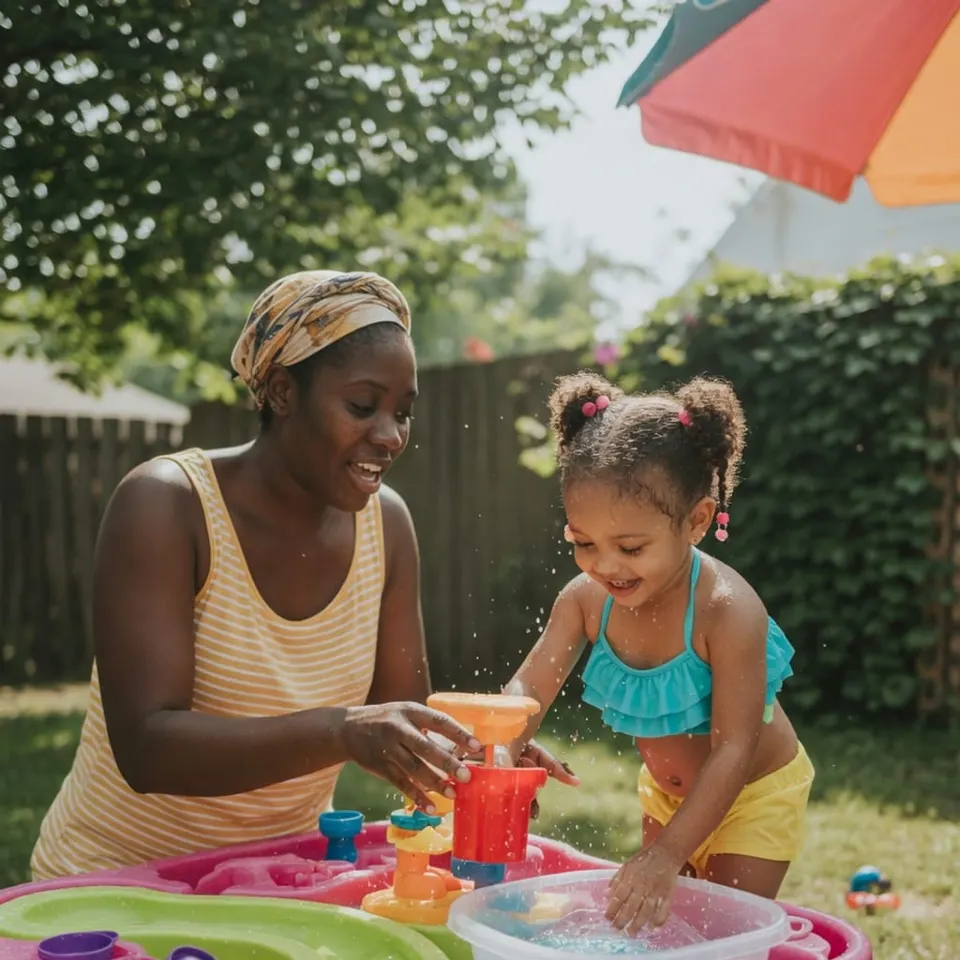
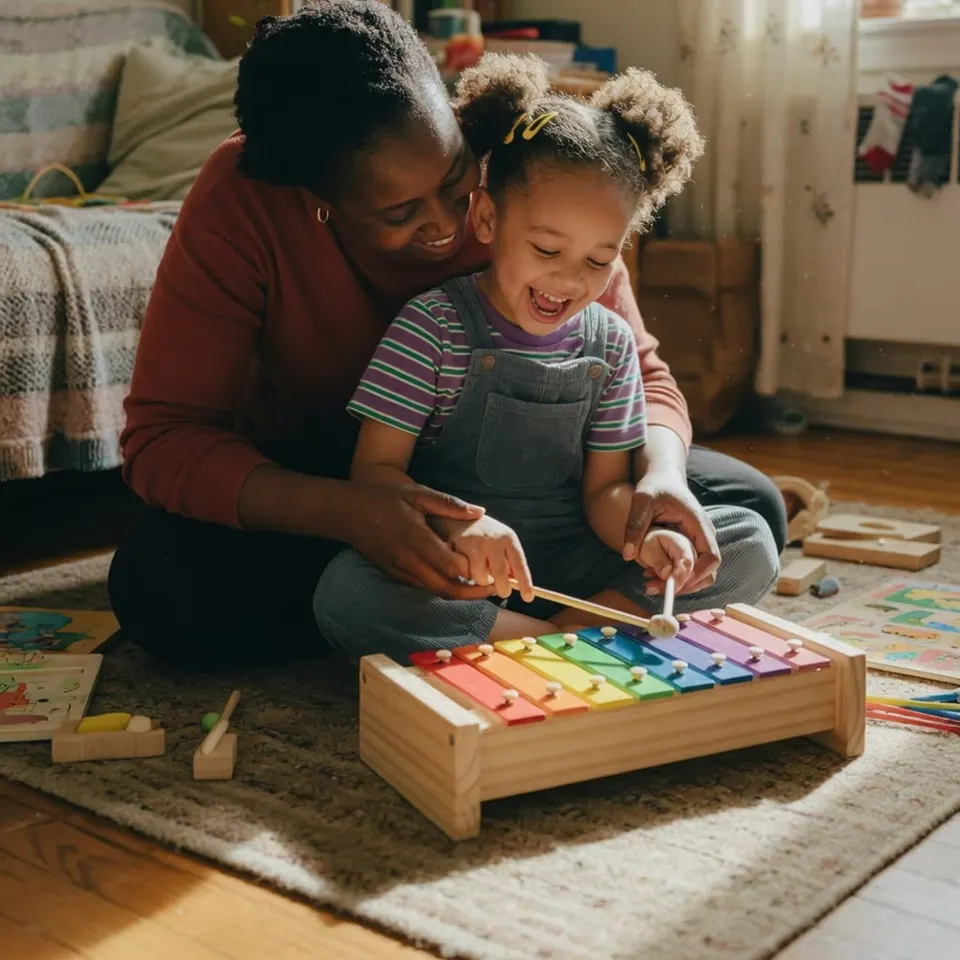
NET takes advantage of everyday routines-mealtimes, bath time, playing outside-to create natural opportunities for your child to request, comment, or protest. This keeps learning fun and functional.
Cost and Insurance Coverage for ABA Therapy
ABA therapy is typically covered by health insurance, including most private plans and state Medicaid programs. Because every state has its own regulations, coverage details vary. Some plans require a formal autism diagnosis before they pay for ABA; others cover services for broader developmental delays.
If your child is under 3, they may qualify for free early intervention services through your state's Part C program. For children aged 3 and older, the public school system provides early childhood special education services, including speech therapy, at no cost to families. ABA therapy can complement these services and is often covered by insurance even when delivered in a clinic or at home.
Get ABA Therapy is a free matching service that helps you find vetted, BCBA-led providers who accept your insurance. We can also help you understand your coverage and explain the authorization process-no cost, no obligation.
Practical Tips for Parents at Home
- Model language during everyday activities. Narrate what you are doing: "I'm pouring juice. You want juice? Here's your cup." Keep your language simple but slightly above your child's current level.
- Expand his gestures. If your child points to a snack, say: "Oh, you want the cracker!" Wait a few seconds and see if he tries to say "cracker" or "cah."
- Create opportunities to communicate. Put a favorite toy just out of reach, offer a choice between two objects, or leave the top off a bottle to encourage your child to ask for help.
- Use wait time. When you know your child wants something, look at him expectantly and wait 5-10 seconds before providing it. This space encourages him to attempt a word or sound.
- Build on his interests. If he loves trains, play with trains and label actions: "Train goes choo-choo!" Repetition and interest drive learning.
- Seek professional guidance early. Even if you feel "wait and see" is best, a few months of targeted therapy can accelerate progress and reduce frustration for both you and your child.
Mistakes to Avoid
- Waiting too long for a diagnosis. Earlier intervention leads to better outcomes. Even if your child is behind by only 6 months, that gap can widen without support.
- Forcing your child to speak. Putting pressure on a child to say words can increase anxiety and make them less willing to try. Instead, celebrate every communicative attempt-pointing, grunting, or babbling-and gently shape it toward speech.
- Ignoring pointing as 'just a quirk.' While many children point without talking, a history of no words at 18 months and limited words at 24 months is a strong predictor of later language difficulties.
- Not checking hearing. A simple hearing test can rule out one of the most treatable causes of speech delay.
- Thinking video or screen time will help language. Passive screen time does not provide the give-and-take of conversation. Real interaction with caregivers is what builds language.
Next Steps: How to Get Support Today
If your 3-year-old points but does not talk, you are already tuned in to his needs-and that is the most important thing. The next step is to share your observations with your pediatrician and request a developmental evaluation. You do not need a diagnosis to start early intervention; services are available for children with delays alone.
At the same time, consider reaching out to a BCBA for a consultation. ABA therapy can help your child develop the communication and social skills needed to thrive. Get ABA Therapy makes this easy by connecting you with experienced, vetted providers in your area-for free. We work with most insurance plans, including Medicaid, and can help you navigate the paperwork.
Your child's ability to point shows they already have a desire to connect. With the right support, spoken language can follow. You are not alone in this journey, and help is just a phone call away.