Should You Start ABA at Age 2 or Wait? A Parent's Guide

In short: Starting ABA therapy at age 2 can be highly effective because the brain is most receptive to learning during early childhood. While every child is different, early intervention often leads to better outcomes in communication, social skills, and behavior. If you're unsure, speaking with a BCBA and using a free matching service can help you make an informed decision without financial pressure.
Key takeaways
- Early brain plasticity makes age 2 an optimal time for ABA therapy.
- Starting early can reduce the need for more intensive services later.
- ABA is covered by insurance and Medicaid in most states.
- A BCBA-led, personalized plan is essential for success.
What Is ABA Therapy and Why Early Intervention Matters
Applied Behavior Analysis (ABA) therapy is an evidence-based approach that uses principles of learning to improve socially significant behaviors. For young children, ABA is delivered in natural, play-based settings by trained therapists under the supervision of a Board Certified Behavior Analyst (BCBA). Early childhood is a time of rapid brain development, when neural connections form at an astonishing rate. This neuroplasticity means that skills like language, social interaction, and self-regulation can be taught more readily at age 2 than at later ages. Early intervention programs have long recognized this window, and ABA therapy is one of the most researched and effective tools for supporting children with autism or other developmental delays.
The Science Behind Early Brain Development
Between birth and age 3, a child's brain produces up to one million new neural connections per second. These connections form the foundation for all future learning. When a child with autism does not naturally pick up social or communication cues, early ABA therapy can help build those pathways through repeated, positive reinforcement. Research consistently shows that children who begin ABA before age 4 make greater and faster gains than those who start later. While every child is unique, the evidence supports starting as early as possible once a need is identified.
How ABA Adapts for Very Young Children
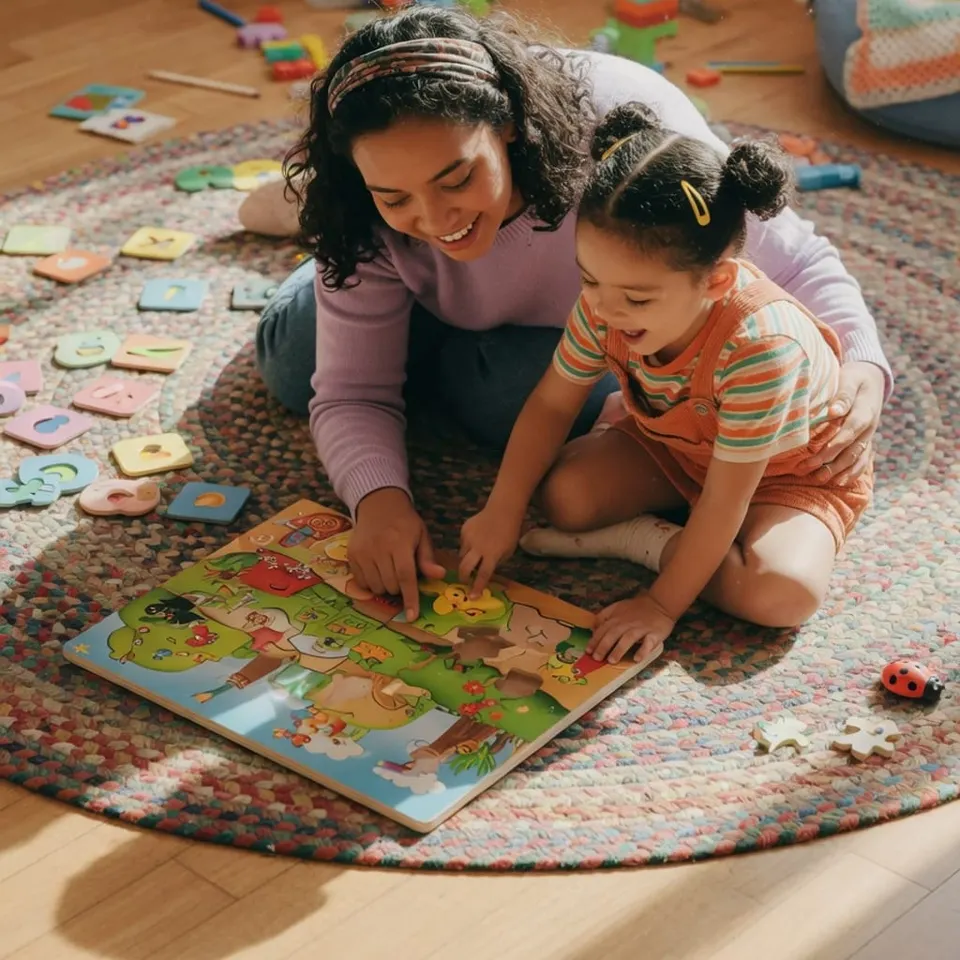
ABA for toddlers looks very different from the structured table-work often associated with older children. At age 2, therapy is embedded into everyday routines: playing with toys, eating snacks, bath time, and interacting with family. Techniques like Natural Environment Teaching (NET) and incidental teaching allow the child to learn in context. A BCBA designs a personalized plan that focuses on building communication (e.g., requesting, labeling), social engagement (e.g., joint attention, turn-taking), and reducing behaviors that interfere with learning. Parent involvement is a cornerstone of early ABA, meaning you are trained to carry over strategies into daily life.

🔗 Related reading: California Autism Support Groups for Parents · Find ABA Near Me
The Case for Starting ABA at Age 2
Deciding whether to start ABA at age 2 or wait can feel overwhelming. However, the research overwhelmingly supports early intervention. When ABA begins during this critical period, many children acquire foundational skills that reduce the need for more intensive supports later. Here is a closer look at the key benefits.
Communication and Social Gains
One of the biggest challenges for children with autism is developing functional communication. Starting ABA at 2 means a BCBA can teach alternative communication methods-such as picture exchange systems, sign language, or speech-generating devices-before frustration leads to challenging behaviors. Early social skills like imitating peers, responding to their name, and engaging in simple back-and-forth play are easier to shape when the brain is still highly adaptable. Many children who start ABA early go on to use spoken language and participate in inclusive preschool settings.
Preventing Escalation of Behaviors
Without early support, some common autistic behaviors-like intense meltdowns, aggression, or self-injury-can become more entrenched over time. ABA therapy at age 2 focuses on understanding the function of a behavior and teaching a more appropriate replacement. For example, if a child bites because they cannot ask for a break, a BCBA might teach a simple sign or word for "break." Because the child is young and these patterns are not yet deeply ingrained, the intervention is often more successful and less stressful for the family.
What Can Happen If You Wait
While there is no single "right" age for every child, delaying ABA therapy can mean missed opportunities. It is important to recognize both the potential risks and the reasons some families choose to wait, so you can make an informed choice.
Missed Developmental Windows
The period from 2 to 4 years old is when typically developing children make huge leaps in language, social understanding, and emotional regulation. For a child with autism, without targeted teaching, these same milestones may remain out of reach. Waiting until age 4 or 5 means the child has had fewer repititions and less practice, and may need more intensive therapy to catch up. While progress is still possible later, the path often becomes steeper.
Long-Term Outcomes
Studies have shown that children who receive early intensive behavioral intervention (EIBI) before age 4 are more likely to achieve positive long-term outcomes, including higher IQ scores, better adaptive skills, and greater chances of inclusion in mainstream education. Waiting does not guarantee poor outcomes, but it does reduce the likelihood that a child will reach their full potential without additional supports. The goal is not to rush, but to take advantage of the brain's natural readiness to learn.
🔗 Related reading: Kaiser Texas ABA Therapy: Availability & How to Start · Local ABA Therapy
Key Considerations When Deciding to Start or Wait
Every family's situation is different. Here are the most important factors to weigh before making your decision.
Your Child's Unique Profile
Some 2-year-olds show mild delays while others have more significant needs. If your child is not meeting key developmental milestones such as babbling, pointing, responding to their name, or engaging in simple pretend play, it is wise to seek an evaluation. A developmental pediatrician, psychologist, or BCBA can help determine whether ABA would be beneficial. Remember that ABA is not just for severe autism-it can help children with a range of needs learn important skills.
Family Capacity and Support
ABA therapy requires time and commitment from parents. For a 2-year-old, sessions often include parent training and may take place in the home. Consider your own schedule, other children, and emotional bandwidth. Programs can be flexible: some start with 5-10 hours per week and increase gradually. A free matching service like Get ABA Therapy can help you find a provider that fits your family's needs and lifestyle. You are not in this alone-many resources exist to support you.
Insurance and Financial Factors
Cost is a common concern, but ABA therapy is widely covered by insurance, including many Medicaid plans. Under the Affordable Care Act, most health plans must cover autism-related services. Some states also have autism mandates that require coverage. If you have insurance, contact your plan to learn about deductibles, copays, and whether pre-authorization is needed. For families without insurance or with high out-of-pocket costs, some providers offer sliding scale fees. Additionally, many states have early intervention programs that provide free or low-cost evaluations and services for children under 3. A free matching service can also help you navigate insurance and find providers who accept your coverage.
How to Find High-Quality, BCBA-Led ABA for a 2-Year-Old
Once you decide to start, the next step is finding a provider that is a good fit for a toddler. Not all ABA programs are designed with young children in mind, so you need to ask the right questions.
What to Look for in a Provider
Seek a provider that:
- Is supervised by a BCBA who specializes in early childhood.
- Uses play-based, naturalistic teaching methods rather than rigid drills.
- Provides regular parent training so you can support your child between sessions.
- Offers flexible hours and settings (home, daycare, or clinic).
- Has experience with very young children and understands their developmental needs.
Ask about their approach to challenging behaviors, how they measure progress, and how they involve the family. A good provider will welcome your questions and collaboration.
Using a Free Matching Service
Get ABA Therapy is a free service that connects families with vetted, BCBA-led providers in their area. You share your child's needs, location, and insurance information, and we help match you with a provider that meets those criteria. This takes the guesswork out of searching and allows you to focus on what matters most: your child's growth. There is no cost or obligation to use the service, and we do not share your information without permission.

Practical Steps to Get Started with ABA at Age 2
If you are ready to move forward, here is a simple roadmap.
Step 1: Seek a Professional Evaluation
Talk with your pediatrician or contact your state's Early Intervention program (for children under 3) to request a developmental evaluation. A diagnosis of autism or another qualifying condition is usually needed to access insurance-funded ABA. Early Intervention evaluations are often free and can also connect you to speech, occupational, and other therapies.
Step 2: Verify Insurance Coverage or Medicaid
Call the number on your insurance card and ask about ABA benefits. You may need a prior authorization or a referral from a doctor. Many state Medicaid programs also cover ABA, especially under waiver services. If you are uninsured, ask about state-funded programs or community health centers that offer sliding scale fees.
Step 3: Connect with a BCBA-Led Provider
Once you have a list of potential providers, schedule an initial assessment. During the assessment, a BCBA will meet with you and your child, observe their behavior, and begin designing a treatment plan. You can also use Get ABA Therapy's free matching service to find providers that are already vetted and ready to start.
Final Thoughts: Trust Your Instincts and the Evidence
Deciding whether to start ABA at 2 or wait is deeply personal. The evidence strongly supports early intervention, but you know your child best. If you have concerns about development, it is never too early to seek an evaluation-and it is never too late to start therapy. Many families find that starting ABA at age 2 gives their child a strong foundation for future learning and happiness. Use the resources available, ask questions, and connect with providers who treat your family with respect and compassion. And remember: free matching services like Get ABA Therapy are here to help you every step of the way.