ABA Therapy for a 2-Year-Old with Autism: A Complete Guide for Parents

In short: ABA therapy is a safe, evidence-based approach for toddlers with autism that focuses on building communication, social, and daily living skills through play and positive reinforcement. At age 2, ABA is typically delivered in natural settings like home or daycare, often with parent involvement. Most insurance plans, including Medicaid, cover ABA for autism, and our free service can match you with a vetted BCBA-led provider.
Key takeaways
- Early ABA therapy for 2-year-olds can significantly improve language, social, and adaptive skills.
- Sessions are play-based, individualized, and often occur in the home or daycare, with parent coaching.
- ABA is not a medical treatment but a behavioral intervention that uses positive reinforcement to teach new skills.
- Most private insurance and Medicaid cover ABA for autism; you can verify coverage with our free help.
What Is ABA Therapy for a 2-Year-Old?
Applied Behavior Analysis, or ABA, is a widely recognized, evidence-based intervention for children with autism spectrum disorder. When tailored for toddlers, ABA is a play-based, naturalistic approach that uses positive reinforcement to teach communication, social interaction, self-help, and play skills. Unlike older children, a 2-year-old's therapy is often delivered in familiar environments-home, daycare, or a clinic-with heavy parent involvement. The goal is not to "cure" autism but to empower the child with skills that improve quality of life and reduce challenging behaviors. All programs are designed and overseen by a Board Certified Behavior Analyst (BCBA), who creates an individualized plan based on your child's unique strengths and needs.
🔗 Related reading: How to Choose an In-Home ABA Provider in California · Local ABA Therapy
Why Start ABA Therapy at Age 2?
Research consistently shows that early intervention leads to better outcomes for children with autism. The brain is most adaptable during the first few years of life, a concept known as neuroplasticity. Starting ABA at age 2 takes advantage of this critical window, helping your child build foundational skills before they enter preschool or kindergarten. Early ABA can improve language development, social engagement, and adaptive behaviors, while reducing the likelihood of more severe behavioral challenges later on. Many families find that starting therapy early also gives them tools to support their child's development at home, creating a positive cycle of learning and connection.
The Importance of Natural Environment Teaching
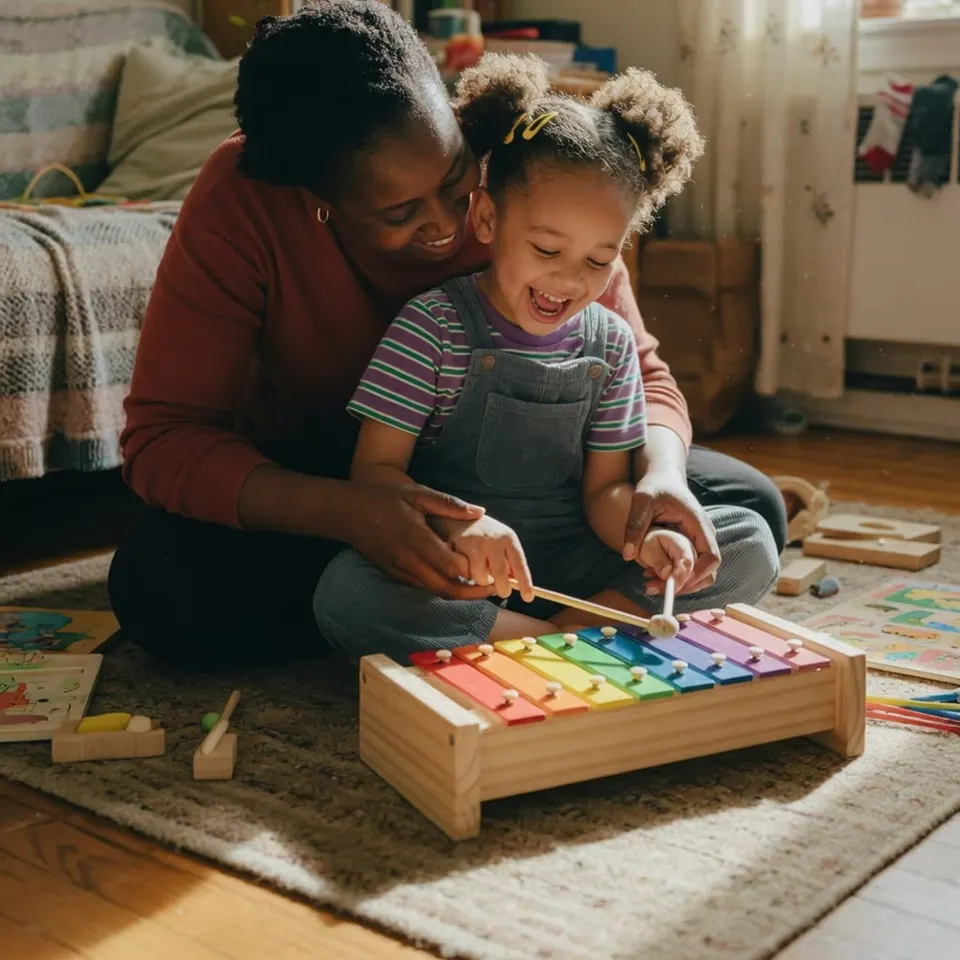
For toddlers, ABA is most effective when it occurs in the natural environment. Instead of a sterile clinic room, the therapist might sit on the floor with your child's favorite toys, using moments of play to target specific goals. This approach, often called Natural Environment Teaching (NET), makes learning feel like fun. For example, the therapist might pause during a game of peek-a-boo, waiting for your child to make eye contact or gesture before continuing. These subtle, play-based prompts build communication skills without pressure.
Skills Targeted for 2-Year-Olds
Individualized goals will vary, but common areas of focus for a 2-year-old in ABA include:
- Requesting and labeling: Using words, signs, or picture cards to ask for items or name objects.
- Imitating actions: Copying simple motor movements like clapping, waving, or blowing a kiss.
- Eye contact and joint attention: Sharing focus on an object or activity with another person.
- Play skills: Engaging in functional play (stacking blocks, pushing a car) and social turn-taking.
- Toilet training: Many ABA teams begin a gentle, data-based toileting plan around age 2 or 3.
What to Expect in ABA Sessions for Toddlers
Your first step will be a comprehensive assessment by a BCBA. They will observe your child, interview you, and review any existing reports to create a treatment plan. Once therapy begins, a trained behavior technician (often called a Registered Behavior Technician, or RBT) works directly with your child under the BCBA's supervision. Sessions typically range from 10 to 20 hours per week for toddlers, though this can vary based on need and insurance requirements. Each session is structured yet flexible, weaving learning opportunities into play, snacks, diaper changes, and other daily routines.
Parent Training Is a Core Component
In early ABA, parents are not just observers-they are active partners. The BCBA will provide regular parent training sessions to teach you how to reinforce skills at home. This might include strategies like using positive language, creating visual schedules, or responding calmly to challenging behaviors. The ultimate goal is to ensure that progress continues long after the therapist leaves.
Data Collection and Progress Tracking
One hallmark of ABA is its reliance on data. Therapists will record your child's responses during sessions, tracking progress toward each goal. The BCBA reviews this data weekly to adjust strategies as needed. This ensures that therapy remains effective and responsive to your child's development.

🔗 Related reading: NC ABA Insurance Mandates: Your Coverage Rights · Nearby ABA Therapy
The Role of Parents and Family in Early ABA
ABA works best when families are consistent and involved. Your therapist will likely teach you to use the same prompting and reinforcement techniques across routines. For example, if your child is learning to say "more" during snack time, you can practice the same skill during meals, bath time, or play. Family involvement also helps reduce stress-when you feel equipped to handle challenges, the whole household benefits. Many parents report that learning ABA strategies gave them a deeper understanding of their child's needs and led to more peaceful, joyful interactions.
How Much Does ABA Therapy Cost and Does Insurance Cover It?
ABA therapy is often expensive when paid out of pocket, with hourly rates ranging from $50 to $150 or more. However, the great news is that most insurance plans-including commercial insurance and state Medicaid programs-cover ABA for autism. The Affordable Care Act (ACA) requires many insurers to cover autism treatments, and most states have specific mandates. For a 2-year-old, coverage typically includes the initial assessment, ongoing direct therapy, and parent training sessions. Your coverage may require a diagnosis from a qualified professional (such as a developmental pediatrician) and prior authorization. Our free matching service can help you navigate this process and connect with BCBA-led providers who accept your insurance or Medicaid.
How to Verify Your Coverage
To understand your benefits, call the number on your insurance card and ask: "Does my plan cover ABA therapy for autism?" Inquire about copays, deductibles, session limits, and whether you need a referral. If you have a state-funded waiver or participate in Early Intervention (Part C), those programs may also fund ABA. Our team can assist you in gathering this information and finding a provider that fits your unique situation.
How to Find a BCBA-Led Provider for Your Toddler
Finding the right ABA provider is one of the most important decisions you'll make. You want a team that is not only qualified but also warm, respectful, and a good match for your family's values. Start by asking your pediatrician, local autism support groups, or your Early Intervention coordinator for recommendations. But the easiest way is to use our free matching service at Get ABA Therapy. We connect families with vetted, BCBA-led providers in your area. We consider your child's age, location, insurance, and preferences (in-home, clinic, or community-based). We also ensure that each provider uses ethical, person-first practices and prioritizes your child's dignity.
What to Look for in a Provider
When interviewing potential providers, ask about:
- Experience with toddlers and early intervention
- Use of natural environment teaching and play-based methods
- Frequency of parent training and BCBA supervision
- How they handle challenging behaviors (they should emphasize positive strategies)
- Whether they respect your family's cultural values and routine
Common Misconceptions and Mistakes to Avoid
ABA has a complex history, and some families worry that it may be too rigid or even harmful. Modern, ethical ABA for toddlers is entirely different from outdated practices. It is positive, gentle, and child-led. Avoid these common pitfalls:
- Waiting too long: Some parents are told their child is "too young" or should "wait and see." Evidence strongly supports starting as early as 18 months if signs of autism are present.
- Choosing a provider without a BCBA: Only a BCBA can design and supervise an effective ABA program. Beware of unqualified therapists.
- Focusing only on compliance: Good ABA builds skills, not obedience. If a provider emphasizes eye contact or sitting still without teaching meaningful communication, look elsewhere.
- Neglecting parent training: If a provider rarely includes you in sessions, that's a red flag. You should feel empowered and informed.
- Assuming ABA is a quick fix: Progress takes time and consistency. Celebrate small wins along the way.
Getting Started with ABA for Your Toddler
If you think ABA could benefit your 2-year-old, take the first step today. Talk to your child's doctor about a formal autism evaluation if you haven't already. Then, reach out to our free matching service at Get ABA Therapy. We'll help you find a BCBA-led provider who specializes in working with toddlers, accepts your insurance or Medicaid, and respects your family's needs. Early intervention gives your child the best chance to thrive-and you the confidence to support them every step of the way.