ABA Therapy for 5 Year Old at Home: What to Expect and How to Get Started

In short: In-home ABA therapy for a 5-year-old uses play-based, one-on-one sessions with a BCBA to build communication, social, and daily living skills. It's often covered by insurance and Medicaid, and a free matching service like Get ABA Therapy can connect you with vetted providers in your area.
Key takeaways
- In-home ABA therapy is tailored to a 5-year-old's natural environment, making skills easier to generalize.
- Sessions are led by a Board Certified Behavior Analyst (BCBA) and focus on play, communication, and independence.
- Most private insurance plans and state Medicaid programs cover ABA therapy for autism.
- A free matching service can help you find a vetted, BCBA-led provider without the hassle of searching alone.
What Is In-Home ABA Therapy for a 5 Year Old?
Applied Behavior Analysis (ABA) therapy is a scientifically backed approach to understanding and improving behavior, communication, and learning. For a 5-year-old, in-home ABA therapy brings a trained therapist-supervised by a Board Certified Behavior Analyst (BCBA)-directly into your home. This setting allows the therapist to work with your child in their most comfortable environment, using everyday routines like mealtime, play, and bedtime to teach new skills.
ABA therapy is not a one-size-fits-all program. A BCBA will first conduct a thorough assessment to understand your child's strengths, challenges, and family goals. Then, they design a personalized plan that might include increasing communication (using words, signs, or a device), improving social interactions with siblings or peers, reducing challenging behaviors, and building self-help skills like dressing or brushing teeth.

🔗 Related reading: ABA Therapy for Aggression in 13-Year-Olds: A Guide · Local ABA Therapy
Why Choose In-Home ABA for a 5 Year Old?
Natural Learning Environment
At age 5, children are naturally curious and learn best through play and daily activities. In-home therapy allows the BCBA to embed learning into what your child already does-like asking for a toy during playtime or following a morning routine. This makes skills more meaningful and easier for your child to use in real life.
Family Involvement
You and your family become active partners in the therapy. The BCBA will coach you on how to reinforce skills between sessions, which can accelerate progress. Siblings can also learn how to interact positively, creating a supportive home environment.
Reduced Transition Stress
For many 5-year-olds, especially those with autism, going to a clinic can be overwhelming. In-home therapy eliminates travel time and the stress of a new setting, allowing your child to focus on learning in a familiar space.
What Does a Typical Session Look Like?
A session for a 5-year-old usually lasts 2 to 4 hours, depending on your child's needs and attention span. Here's what you might see:
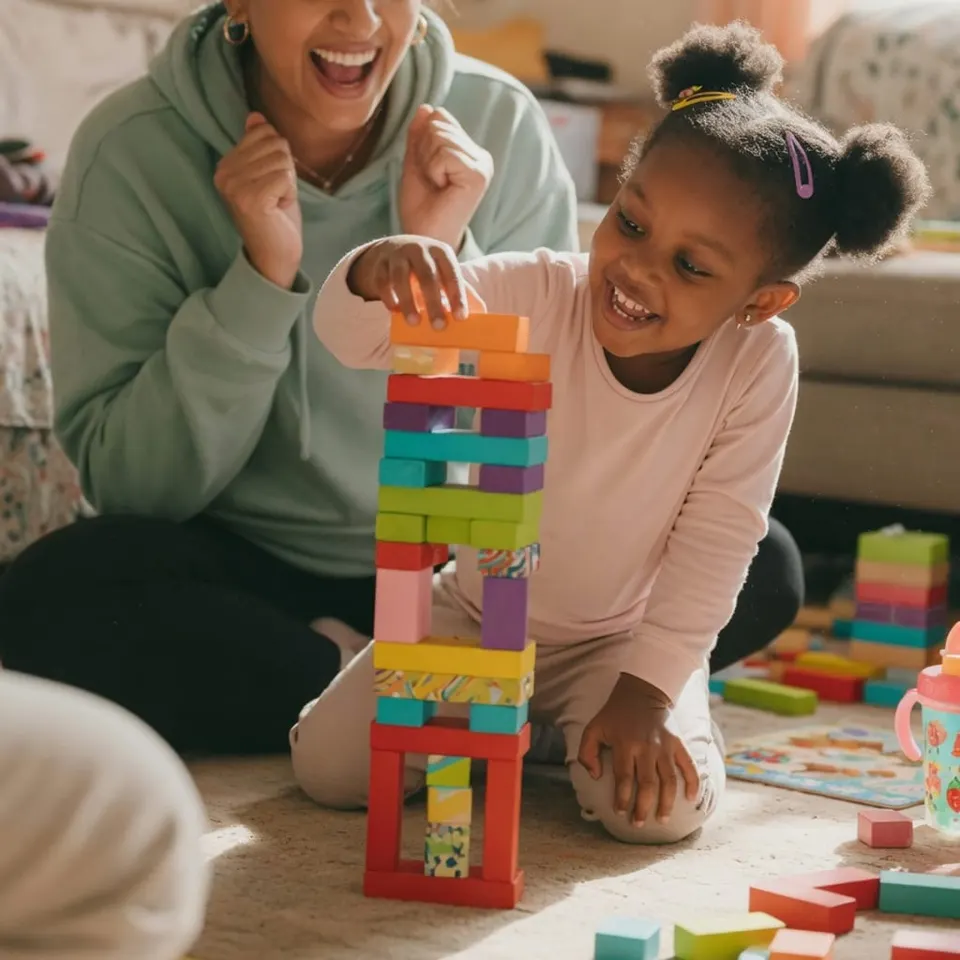
- Warm-up and rapport building: The therapist starts with a preferred activity, like a favorite game or song, to help your child feel comfortable.
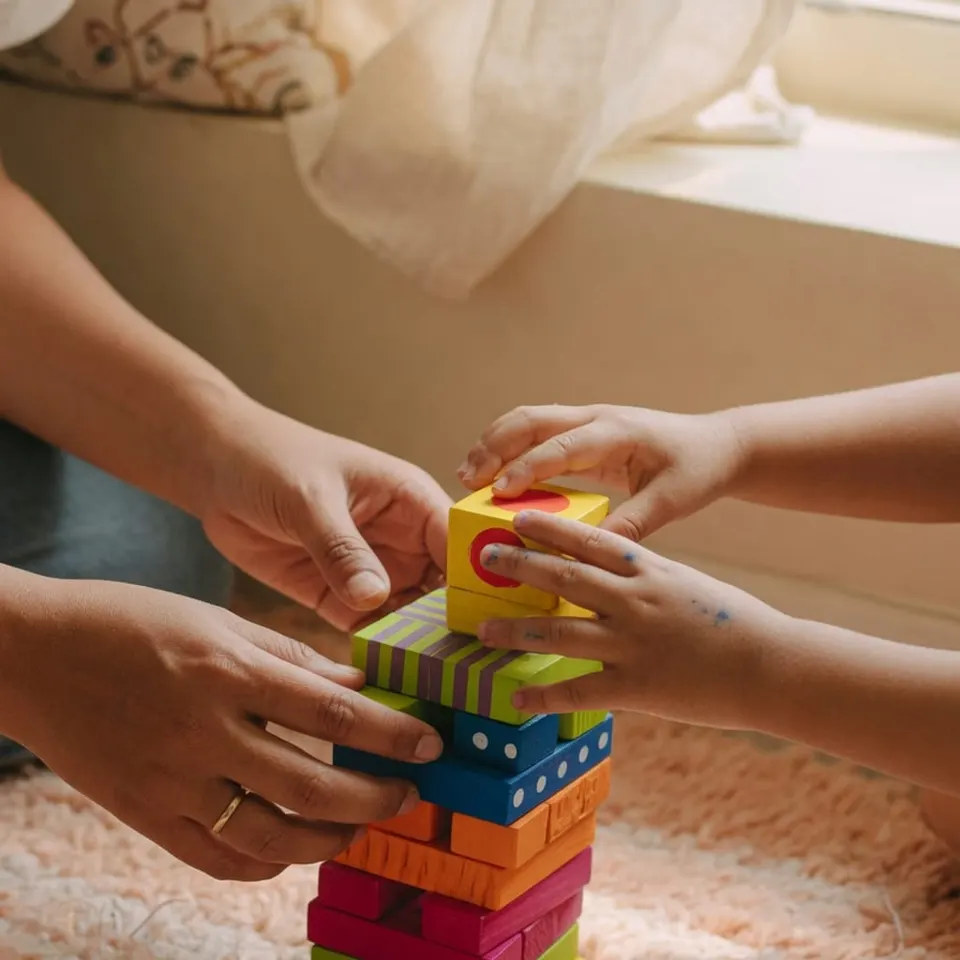
- Structured teaching: Using toys, books, or puzzles, the therapist works on specific goals-like requesting items, taking turns, or following simple instructions.
- Natural environment teaching: The therapist follows your child's lead during play, turning moments into learning opportunities. For example, if your child reaches for a snack, the therapist might prompt them to say 'more' or point.
- Parent coaching: The BCBA or therapist will share strategies with you, such as how to use visual schedules or praise effectively.
- Data collection: The therapist tracks your child's responses to measure progress and adjust the plan as needed.
🔗 Related reading: TRICARE ABA Therapy in Utah: A Military Family Guide · Local ABA Therapy
Common Goals for a 5 Year Old in ABA
Goals are always individualized, but many 5-year-olds work on:
- Communication: Using words, phrases, or an AAC device to express wants, feelings, and ideas.
- Social skills: Initiating play, sharing, taking turns, and responding to peers.
- Daily living skills: Dressing, toileting, brushing teeth, and helping with simple chores.
- School readiness: Sitting for short activities, following group instructions, and transitioning between tasks.
- Reducing challenging behaviors: Replacing tantrums, aggression, or self-stimulatory behaviors with more appropriate alternatives.
Cost and Insurance Coverage for In-Home ABA
ABA therapy can be expensive without coverage-often $60 to $150 per hour. However, most private health insurance plans are required to cover ABA therapy for autism under the Affordable Care Act. Many states also have mandates that include ABA. Additionally, state Medicaid programs (like Medicaid in your state) typically cover ABA for eligible children.
To find out what your plan covers, call your insurance provider and ask about ABA benefits, including in-home services. You'll need a diagnosis of autism spectrum disorder (ASD) from a qualified professional. A free service like Get ABA Therapy can help you navigate insurance and match you with a BCBA-led provider that accepts your plan.
How to Find a Vetted BCBA-Led Provider
Finding the right provider can feel overwhelming, but you don't have to do it alone. Get ABA Therapy is a free matching service that connects families with vetted, BCBA-led ABA providers in your area. Here's how it works:
- You fill out a short form about your child's needs and location.
- Our team reviews your information and matches you with providers who have availability and accept your insurance.
- You receive a list of options to choose from, with no obligation.
This saves you hours of research and ensures you're connected with qualified professionals who specialize in in-home therapy for 5-year-olds.
Practical Tips for Success at Home
Create a Consistent Routine
Children with autism often thrive on predictability. Work with your BCBA to establish a daily schedule that includes therapy time, play, meals, and rest. Use visual schedules with pictures to help your child understand what's coming next.
Use Positive Reinforcement
Praise and rewards are powerful tools. When your child tries a new skill or uses a word, offer immediate, specific praise like 'Great job asking for the ball!' Small rewards (a sticker, extra playtime) can motivate them to keep trying.
Be Patient and Flexible
Some days will be harder than others. If your child is tired or overwhelmed, it's okay to adjust the session. The BCBA can help you recognize signs of fatigue and adapt activities accordingly.
Incorporate Learning into Daily Life
ABA isn't just during therapy hours. Use everyday moments-like bath time, grocery shopping, or car rides-to practice skills. For example, ask your child to name items in the store or count steps while walking.
Common Mistakes to Avoid
- Expecting overnight results: ABA is a gradual process. Celebrate small wins and trust the data.
- Not communicating with the BCBA: Share what works and what doesn't at home. Your insights are valuable.
- Over-scheduling: A 5-year-old needs downtime. Balance therapy with free play and rest.
- Ignoring your own well-being: Caring for a child with autism can be demanding. Seek support from family, friends, or parent groups.
Frequently Asked Questions
We've answered common questions below to help you feel more informed.