ABA Therapy for Nonverbal Children: What Parents Need to Know

In short: ABA therapy uses positive reinforcement to teach communication skills to nonverbal children with autism. By breaking down language into small steps, it helps children learn to use words, signs, or AAC devices. Our free service connects you with BCBA-led providers who specialize in this approach.
Key takeaways
- ABA therapy is evidence-based and effective for nonverbal children of all ages.
- The focus is on functional communication, not just spoken words.
- Insurance and Medicaid often cover ABA therapy, including for nonverbal children.
- BCBA-led programs are personalized, data-driven, and involve parent training.
Find your child's ABA provider
About 60 seconds · free & confidential
- ✓ Vetted, BCBA-led providers
- ✓ In-home, center & telehealth
- ✓ No obligation, ever
Understanding Nonverbal Autism and ABA Therapy
When your child is diagnosed with autism and is nonverbal or minimally verbal, it can feel overwhelming. You may wonder how to connect with them, how they will express their needs, and what kind of support can truly make a difference. Applied Behavior Analysis (ABA) therapy is one of the most widely used and evidence-based approaches for helping children with autism learn new skills, including communication. For nonverbal children, ABA focuses on building functional communication, the ability to express wants, needs, and feelings in a way that works for the child. This is not about forcing speech but about finding the right mode of communication, whether it is spoken words, signs, pictures, or a speech-generating device.
ABA therapy is delivered by trained professionals, typically a Board Certified Behavior Analyst (BCBA) who designs the program, and Registered Behavior Technicians (RBTs) who implement it. The therapy is highly individualized, based on your child's strengths, challenges, and unique learning style. Because ABA is data-driven, progress is measured continuously, and the approach is adjusted as your child grows.
🔗 Related reading: California Respite Care for Families of Autistic Children · Local ABA Therapy
How ABA Therapy Teaches Communication to Nonverbal Children
Breaking Language into Small Steps
ABA uses a technique called shaping, where the therapist reinforces successive approximations of a target behavior. For example, if the goal is to have the child say 'ball,' the therapist might first reinforce any sound, then a 'b' sound, then 'ba,' and finally 'ball.' This step-by-step process is patient and forgiving, allowing the child to build confidence.
Reinforcement and Motivation
Positive reinforcement is the heart of ABA. The therapist identifies what the child finds motivating (a favorite toy, a snack, praise, or a short break) and delivers it immediately after the child makes any communicative attempt. Over time, the child learns that communicating leads to good things, which increases the likelihood that they will try again.
Teaching Alternative Communication Methods
For nonverbal children, ABA often incorporates augmentative and alternative communication (AAC). Common methods include:
- Sign language – Simple signs like 'more,' 'all done,' or 'help' can give a child a way to express themselves even before spoken words emerge.
- Picture Exchange Communication System (PECS) – The child learns to hand a picture card to request an item or action. This builds intentional communication.
- Speech-generating devices (SGDs) – Tablets or dedicated devices that speak words or phrases when the child presses a button. ABA therapists can teach the child how to use these tools effectively.
Research shows that using AAC does not hinder speech development; rather, it often supports it by reducing frustration and providing a bridge to verbal language.
Looking for ABA therapy for your child? We match families with vetted, BCBA-led providers near you.
Get matched freeThe Role of the BCBA and RBTs in Your Child's Program
A BCBA conducts a thorough assessment of your child's current communication skills, preferences, and challenging behaviors. Based on this, they write a detailed treatment plan with clear, measurable goals. For a nonverbal child, an example goal might be: 'Child will independently request a preferred item using a picture card in 4 out of 5 opportunities across 3 consecutive sessions.' RBTs work directly with your child, implementing the plan and collecting data on every trial. The BCBA supervises them regularly, analyzes the data, and updates the plan as needed. Parent training is also a critical component – the BCBA teaches you how to use ABA strategies at home, ensuring consistency and maximizing progress.
When you work with our free matching service at Get ABA Therapy, we help you connect with BCBA-led providers who have experience with nonverbal children. We vet each provider to ensure they meet high standards of care, including a strong focus on functional communication and parent collaboration.
🔗 Related reading: Sensory Seeking in Autism: ABA Strategies That Work · Local ABA Therapy
What a Typical ABA Session Looks Like for a Nonverbal Child
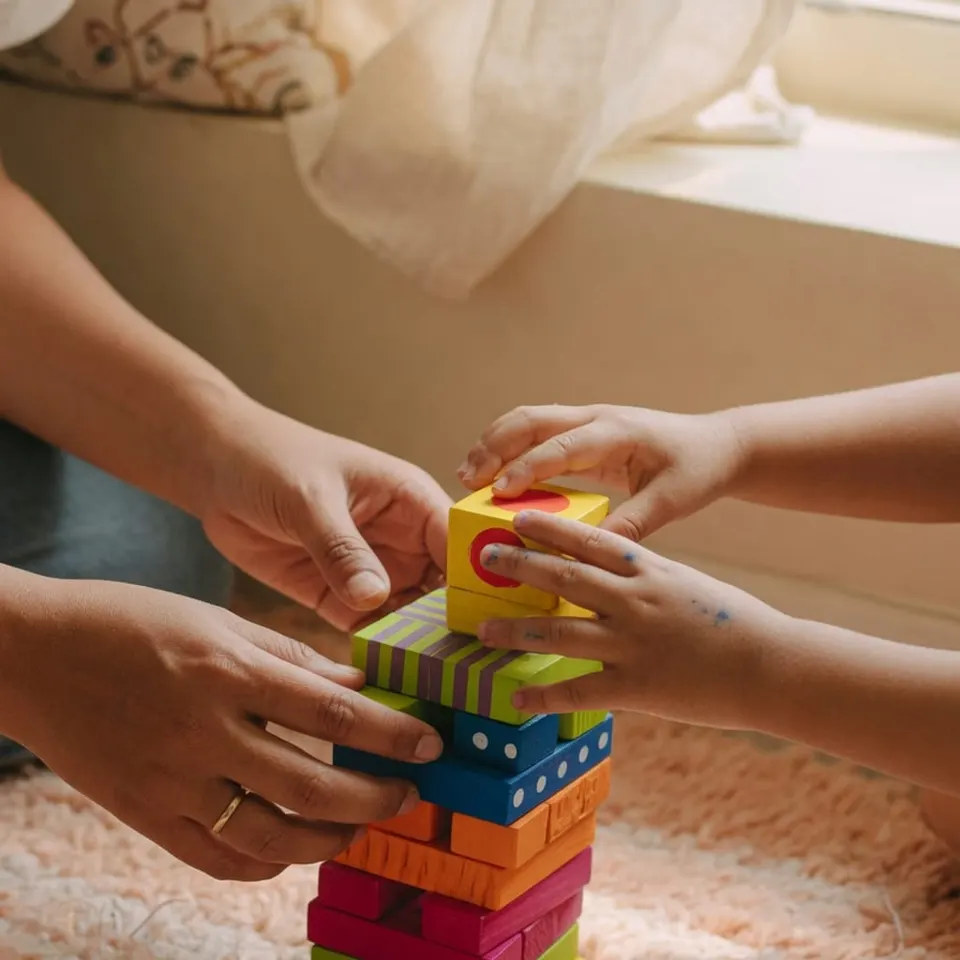
ABA sessions are often play-based, especially for young children. The therapist might sit on the floor with the child, engaging with preferred toys. Every interaction is an opportunity for learning. For example, if the child reaches for a car, the therapist might gently block access and model the sign for 'car' or hold up a picture card. Once the child makes an attempt (even a glance or a hand movement), the car is immediately given with praise. Sessions typically last 2 to 4 hours, and the intensity (number of hours per week) depends on your child's needs and your insurance coverage.
It is normal for children to initially show resistance or have meltdowns. A skilled therapist will pair themselves with reinforcement, meaning they become a source of fun and comfort. Over time, the child learns to trust the therapist and the routine. Data is taken on every target behavior, so you can see small wins each week: a new sign, a longer eye contact, or a reduction in tantrums when communication fails.
Cost, Insurance, and Medicaid Coverage
ABA therapy can be expensive without coverage, but the good news is that most health insurance plans, including Medicaid, cover ABA for autism. The Affordable Care Act mandates that many plans cover autism treatments, and most states have laws requiring coverage. However, specifics vary by plan and state. For example, if you live in Texas, Medicaid through the STAR Kids program covers ABA. In California, many private insurers and Medi-Cal provide coverage. It is important to check with your insurance provider about deductibles, copays, and any prior authorization requirements.
Our free service at Get ABA Therapy can help you navigate insurance questions. We work with families across the country, including those in states like Florida, New York, and Illinois, to find providers who accept your insurance or offer sliding-scale fees. We also assist families who are uninsured or underinsured by connecting them with community resources and state-funded programs.
How to Choose the Right ABA Provider for Your Nonverbal Child
Not all ABA providers are the same, especially when it comes to working with nonverbal children. Here are key factors to consider:
- Experience – Ask how many nonverbal children the provider has worked with and what methods they use (PECS, sign, devices).
- BCBA involvement – Ensure a BCBA is actively designing and overseeing the program, not just an RBT working alone.
- Parent training – The best programs include regular parent coaching so you can reinforce skills at home.
- Data transparency – You should have access to session notes and progress graphs.
- Philosophy – Look for a provider that respects neurodiversity and does not aim to 'normalize' your child, but rather to empower them with communication tools.
Using Get ABA Therapy's free matching service simplifies this process. We ask about your child's age, location, communication goals, and insurance, then match you with up to three vetted BCBA-led providers. You can interview them and choose the best fit without any cost to you.
Common Mistakes to Avoid
One common mistake is assuming that if a child is not speaking, ABA cannot help. This is false – ABA is highly effective for nonverbal children. Another mistake is choosing a provider that focuses only on reducing behaviors without equally prioritizing communication. A good ABA program should place communication at the center. Also, avoid providers who promise a timeline for speech; every child develops differently, and ABA focuses on progress, not speed.
A Message of Hope for Families
Raising a nonverbal child with autism comes with unique challenges, but you are not alone. ABA therapy offers a structured, compassionate path to help your child find their voice, in whatever form that takes. Many children who begin ABA as nonverbal go on to use signs, picture cards, or devices to communicate effectively, and some eventually develop spoken language. The key is to start early, stay consistent, and work with a team that truly understands your child's needs.
If you are ready to explore ABA therapy for your nonverbal child, let us help. Our free matching service at Get ABA Therapy connects you with BCBA-led providers who are experienced, compassionate, and committed to helping your child thrive. No obligation, just support.