ABA Therapy for Nonverbal Children: Building Communication
In short: ABA therapy for nonverbal children focuses on building communication through techniques like functional communication training, PECS, and AAC devices. It is covered by most insurance plans, including Medicaid, and a free matching service like Get ABA Therapy can connect you with a vetted BCBA-led provider.
Key takeaways
- ABA therapy uses positive reinforcement to teach communication skills like gestures, signs, or speech.
- Functional communication training (FCT) replaces challenging behaviors with appropriate communication.
- Augmentative and alternative communication (AAC) tools, like PECS or speech-generating devices, are often integrated.
- Early intervention (ages 2-6) yields the best outcomes, but ABA benefits children of all ages.
What Is ABA Therapy for Nonverbal Children?
Applied Behavior Analysis (ABA) therapy is a scientifically validated approach that helps children with autism learn new skills, including communication. For nonverbal children-those who do not use spoken language or have very limited speech-ABA focuses on building functional communication. This might include teaching gestures, sign language, picture exchange systems, or using speech-generating devices. The goal is to give the child a reliable way to express needs, wants, and feelings, reducing frustration and challenging behaviors.
ABA is not a one-size-fits-all program. A Board Certified Behavior Analyst (BCBA) conducts a thorough assessment to understand the child's current skills, preferences, and challenges. Then, they design a personalized plan that breaks down communication into small, teachable steps. Each step is reinforced with positive rewards, like praise or access to a favorite toy, to encourage progress.

🔗 Related reading: Autism Support Groups for Massachusetts Parents · Find ABA Near Me
Why ABA Works for Nonverbal Children
Evidence-Based and Individualized
ABA is backed by decades of research showing its effectiveness in teaching communication to children with autism. The therapy is data-driven: therapists track progress daily and adjust strategies as needed. This individualized approach ensures that the child learns at their own pace, using methods that match their unique learning style.
Focus on Functional Communication
Rather than forcing speech, ABA prioritizes functional communication-any method that allows the child to interact meaningfully. This could be a simple head nod for 'yes,' a picture card for 'drink,' or a button on a tablet that says 'more.' By teaching these skills, ABA reduces the frustration that often leads to meltdowns or aggression.
Family Involvement
Parents and caregivers are trained to reinforce communication skills at home, during meals, playtime, and daily routines. This consistency accelerates learning and helps the child generalize skills across settings.
Key Techniques Used in ABA for Communication
Functional Communication Training (FCT)
FCT is a core ABA technique that replaces challenging behaviors (like screaming or hitting) with appropriate communication. For example, if a child screams to get a snack, the therapist teaches them to hand over a picture of a snack or press a button that says 'snack.' The behavior is ignored, while the communication is rewarded.
Picture Exchange Communication System (PECS)
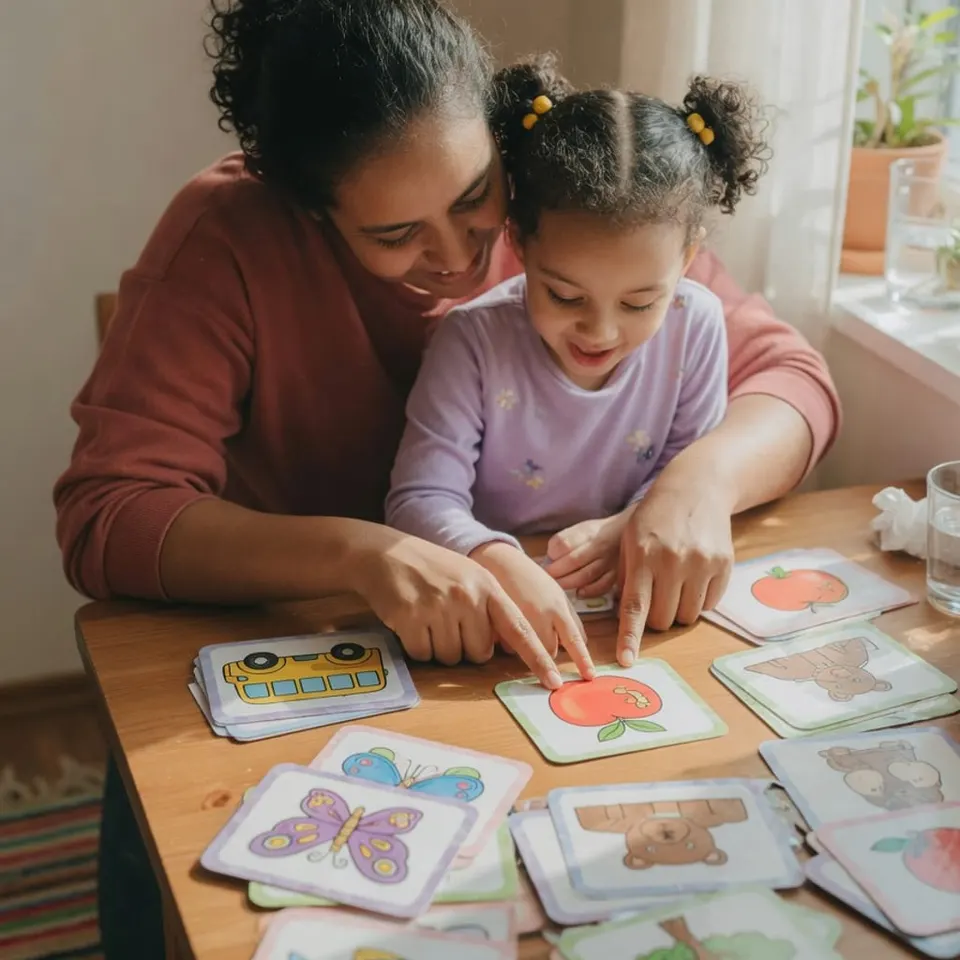
PECS is a low-tech AAC system where the child learns to exchange a picture card for a desired item. It starts with single cards and progresses to sentences. Many ABA programs incorporate PECS because it is visual, concrete, and easy to implement.
Augmentative and Alternative Communication (AAC)
High-tech AAC devices, such as tablets with speech-generating apps, are often used in ABA. The therapist models how to use the device and reinforces each attempt. Research shows that AAC does not hinder speech development; in fact, it often encourages vocalizations.
Natural Environment Teaching (NET)
NET takes place in the child's natural environment-at home, in the park, or during play. The therapist follows the child's lead and embeds communication opportunities into fun activities. For instance, if the child loves bubbles, the therapist might pause and wait for the child to request 'more' using a sign or word.

🔗 Related reading: Telehealth ABA in Colorado: Rules, Coverage & How It Works · Local ABA Therapy
What to Expect in an ABA Session
An ABA session for a nonverbal child typically lasts 2-4 hours, depending on the child's age and needs. The session is structured but flexible, with a mix of one-on-one teaching, play, and breaks. The therapist uses a variety of materials: picture cards, toys, snacks, and AAC devices. Data is collected on every trial, such as how many times the child independently requested a break.
Progress is measured in small increments. For example, the goal might be for the child to point to a desired item three times per session. Over weeks, this increases to five times, then to using a word approximation. The BCBA reviews data weekly and adjusts the plan.
Costs and Insurance Coverage
ABA therapy can be expensive, with costs ranging from $50 to $150 per hour. However, most insurance plans, including Medicaid, cover ABA for autism spectrum disorder. The Affordable Care Act requires many plans to cover autism treatments, including ABA. Coverage varies by state and plan, so it is important to check with your insurer.
Get ABA Therapy is a free service that helps families navigate insurance and find a vetted, BCBA-led provider. We match you with clinics that accept your insurance, including Medicaid, and can help with the authorization process.

Practical Tips for Parents
- Start early: Early intervention (ages 2-6) offers the best outcomes, but ABA helps at any age.
- Be consistent: Use the same communication methods at home that the therapist uses.
- Celebrate small wins: Every gesture, sign, or sound is a step forward.
- Advocate for AAC: If your child is not speaking, ask the BCBA about AAC options.
- Join parent training: Many ABA providers offer coaching to help you reinforce skills.
Mistakes to Avoid
- Forcing speech: Pressuring a child to speak can increase anxiety. Focus on any form of communication.
- Ignoring nonverbal cues: A child's pointing, eye gaze, or body language are valid communication.
- Giving up too soon: Progress can be slow; consistency is key.
- Not involving the BCBA: Always consult the BCBA before changing strategies.
Finding the Right Provider
Choosing a BCBA-led provider is crucial. Look for a team that uses evidence-based practices, involves parents, and has experience with nonverbal children. Get ABA Therapy can match you with vetted providers in your area, saving you time and stress. Our service is free, and we work with clinics that accept most insurance plans, including Medicaid.
Building communication with ABA therapy is a journey. With the right support, your child can learn to express themselves, connect with others, and thrive.