ABA Therapy vs Social Skills Groups: Which Is Right for Your Child?
In short: ABA therapy is a data-driven, one-on-one intervention that targets a wide range of skills, including communication, behavior, and daily living, using principles of behavior analysis. Social skills groups are peer-led sessions that focus specifically on building social interaction skills in a group setting. Many families use both: ABA for foundational skills and social groups for practice in a natural environment.
Key takeaways
- ABA therapy is individualized, intensive, and focuses on a broad range of skills, while social skills groups are peer-based and target social interaction specifically.
- ABA is often covered by insurance and Medicaid, making it more accessible for long-term support.
- Social skills groups provide a natural setting for practicing social cues, conversation, and friendship building.
- Many children benefit from combining both approaches-ABA for foundational skills and social groups for real-world application.
Find your child's ABA provider
About 60 seconds · free & confidential
- ✓ Vetted, BCBA-led providers
- ✓ In-home, center & telehealth
- ✓ No obligation, ever
What Is ABA Therapy?
Applied Behavior Analysis (ABA) therapy is a scientifically validated approach that uses principles of learning and behavior to teach meaningful skills and reduce challenging behaviors. It is typically delivered one-on-one by a Board Certified Behavior Analyst (BCBA) or a supervised therapist. ABA is highly individualized, with goals tailored to each child's needs-ranging from communication and social skills to self-care and academics. Sessions are data-driven, with progress tracked regularly to adjust strategies.
Key Features of ABA Therapy
- Individualized: Programs are designed based on a child's specific strengths and challenges.
- Data-driven: Therapists collect data to measure progress and make informed decisions.
- Intensive: Often recommended for 10-40 hours per week, depending on the child's needs.
- Comprehensive: Addresses multiple domains, including communication, social, adaptive, and behavioral skills.
- Insurance-covered: Most private insurance plans and Medicaid cover ABA therapy, making it accessible for many families.

🔗 Related reading: ABA Therapy & Medication for Autism: What to Know · Local ABA Therapy
What Are Social Skills Groups?
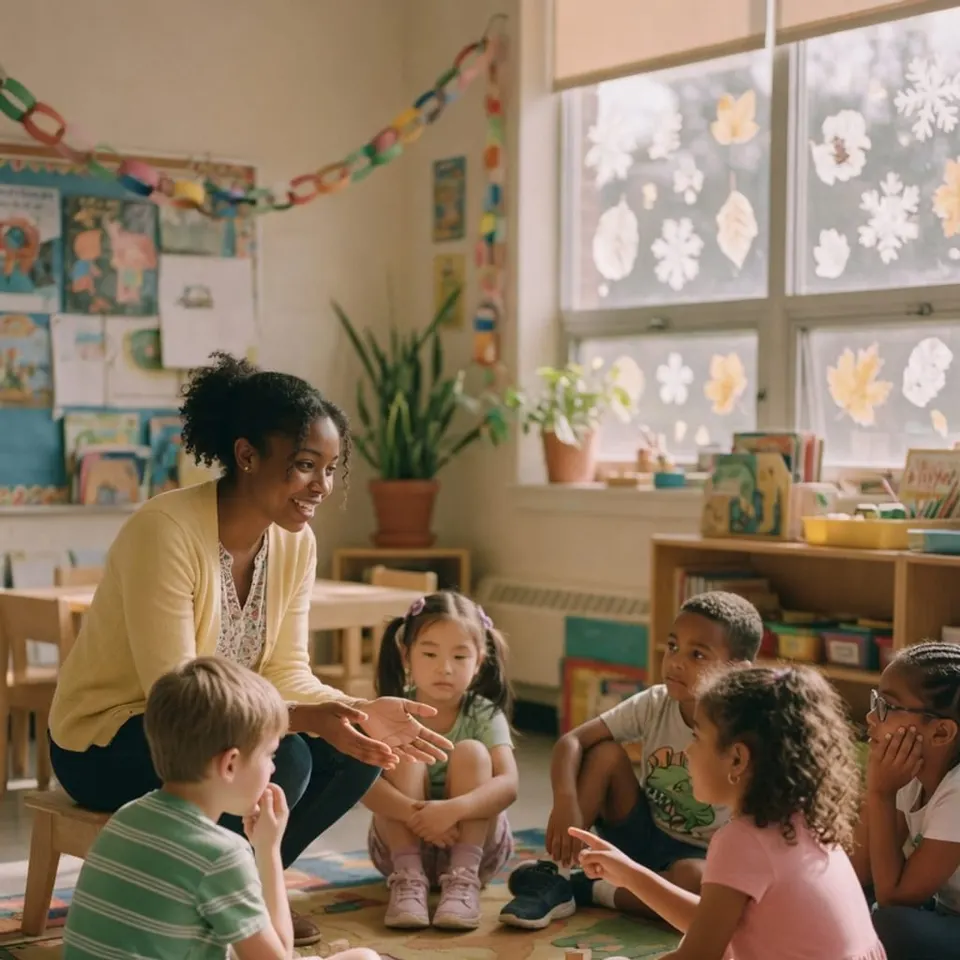
Social skills groups are structured, peer-based programs that focus specifically on improving social interaction skills. They are often led by a therapist, counselor, or special education teacher, and involve small groups of children with similar social challenges. Activities may include role-playing, games, and discussions aimed at teaching skills like turn-taking, reading social cues, and starting conversations.
Key Features of Social Skills Groups
- Peer-focused: Children learn and practice skills with others in a natural social setting.
- Targeted: Goals are centered on social interaction, such as eye contact, conversation, and empathy.
- Less intensive: Typically meet once a week for 1-2 hours.
- Varied approaches: May use curriculum-based programs like PEERS or more flexible, child-led models.
- Cost and insurance: Coverage varies; some groups are offered through schools or community centers, while private groups may not be covered by insurance.
Looking for ABA therapy for your child? We match families with vetted, BCBA-led providers near you.
Get matched freeABA Therapy vs Social Skills Groups: Core Differences
While both aim to support autistic children, they differ in scope, intensity, and methodology. ABA therapy is a comprehensive, individualized treatment that can address social skills as part of a broader plan. Social skills groups are a focused, group-based intervention for social development alone.
Scope of Skills
- ABA: Targets communication, behavior, daily living, academic, and social skills. It can also address challenging behaviors like aggression or self-stimulation.
- Social groups: Focus almost exclusively on social interaction skills, such as initiating conversations, understanding non-verbal cues, and managing emotions in social contexts.
Delivery Method
- ABA: One-on-one with a therapist, often in home, clinic, or school settings. The therapist works directly with the child, using reinforcement and prompting.
- Social groups: Small group setting (3-8 children) with a facilitator. Learning occurs through peer interaction and guided practice.
Intensity and Duration
- ABA: Can be intensive (up to 40 hours/week) and long-term (months to years).
- Social groups: Low intensity (1-2 hours/week), often time-limited (8-12 weeks).
Evidence Base
- ABA: Extensive research supports its effectiveness for a wide range of skills, especially when started early.
- Social groups: Research shows benefits for specific social skills, but outcomes can vary widely depending on the program and child.
🔗 Related reading: ABA Provider Shortages in Texas: What to Do While Waiting · Apply for ABA
How to Choose Between ABA Therapy and Social Skills Groups
The decision depends on your child's individual needs, age, and goals. Here are some factors to consider:
Your Child's Needs
If your child has multiple challenges-such as difficulty communicating, engaging in repetitive behaviors, or struggling with daily routines-ABA therapy may be a better fit because it addresses a broad range of skills. If your child already has strong foundational skills but struggles specifically with peer interactions, a social skills group might be sufficient.
Age and Developmental Level
ABA therapy is often recommended for younger children (ages 2-7) who benefit from intensive early intervention. Social skills groups are more common for older children and teens who can participate in group discussions and activities.
Insurance and Cost
ABA therapy is widely covered by insurance and Medicaid, making it more affordable for long-term use. Social skills groups may or may not be covered; private groups can cost $50-$200 per session. Check with your insurance provider and the group facilitator.
Combining Both Approaches
Many families find that a combination works best. ABA therapy can build foundational social skills (e.g., making eye contact, initiating a greeting), while a social skills group provides a natural environment to practice those skills with peers. A BCBA can help coordinate care between providers.
Practical Tips for Families
- Start with an evaluation: A BCBA or developmental pediatrician can assess your child's strengths and needs to recommend the right approach.
- Ask about the program: For social skills groups, ask about the curriculum, facilitator qualifications, and group size.
- Observe a session: If possible, watch a session of ABA or a social group to see if it feels like a good fit.
- Consider your child's comfort: Some children thrive in one-on-one settings, while others enjoy group interactions.
- Use a free matching service: Get ABA Therapy can connect you with vetted, BCBA-led providers who can offer personalized advice and options.

Common Mistakes to Avoid
- Assuming one size fits all: Every child is unique; what works for one may not work for another.
- Choosing based on cost alone: While cost matters, the quality and fit of the program are more important for long-term progress.
- Ignoring the child's input: For older children, involve them in the decision-making process to ensure they are motivated.
- Not coordinating care: If using both ABA and social groups, ensure providers communicate to avoid conflicting goals.
How Get ABA Therapy Can Help
Get ABA Therapy is a free service that matches families with vetted, BCBA-led ABA providers in your area. We understand the differences between ABA and social skills groups and can help you find a provider who offers the right support for your child. Simply fill out our form, and we will connect you with options that fit your needs, including insurance coverage and Medicaid.