In-Home vs. Center-Based ABA Therapy: How to Choose the Right Setting for Your Child

In short: In-home ABA therapy takes place in your child's natural environment, offering convenience and real-life skill practice, while center-based ABA provides structured settings with more peer interaction and specialized resources. Your choice depends on your child's needs, family schedule, insurance coverage, and therapy goals. Get ABA Therapy is a free service that can match you with vetted, BCBA-led providers offering either setting.
Key takeaways
- In-home ABA therapy allows skills to be practiced in your child's natural environment, promoting generalization.
- Center-based ABA offers a structured setting with more peer interaction and access to specialized equipment.
- Both settings are often covered by insurance, including Medicaid, but coverage details vary by plan.
- Your child's age, sensory needs, and therapy goals should guide your decision.
Find your child's ABA provider
About 60 seconds · free & confidential
- ✓ Vetted, BCBA-led providers
- ✓ In-home, center & telehealth
- ✓ No obligation, ever
Understanding the Two Main Settings for ABA Therapy
Applied Behavior Analysis (ABA) therapy is a scientifically validated approach to understanding and changing behavior. It is widely used to support autistic children and those with other developmental disabilities. One of the first decisions families face is whether to pursue therapy in their home or at a center. Both settings have unique advantages and challenges, and the right choice depends on your child's individual needs, your family's lifestyle, and your insurance coverage.

🔗 Related reading: ABA Interventions for Head Banging in Autism · Local ABA Therapy
What Is In-Home ABA Therapy?
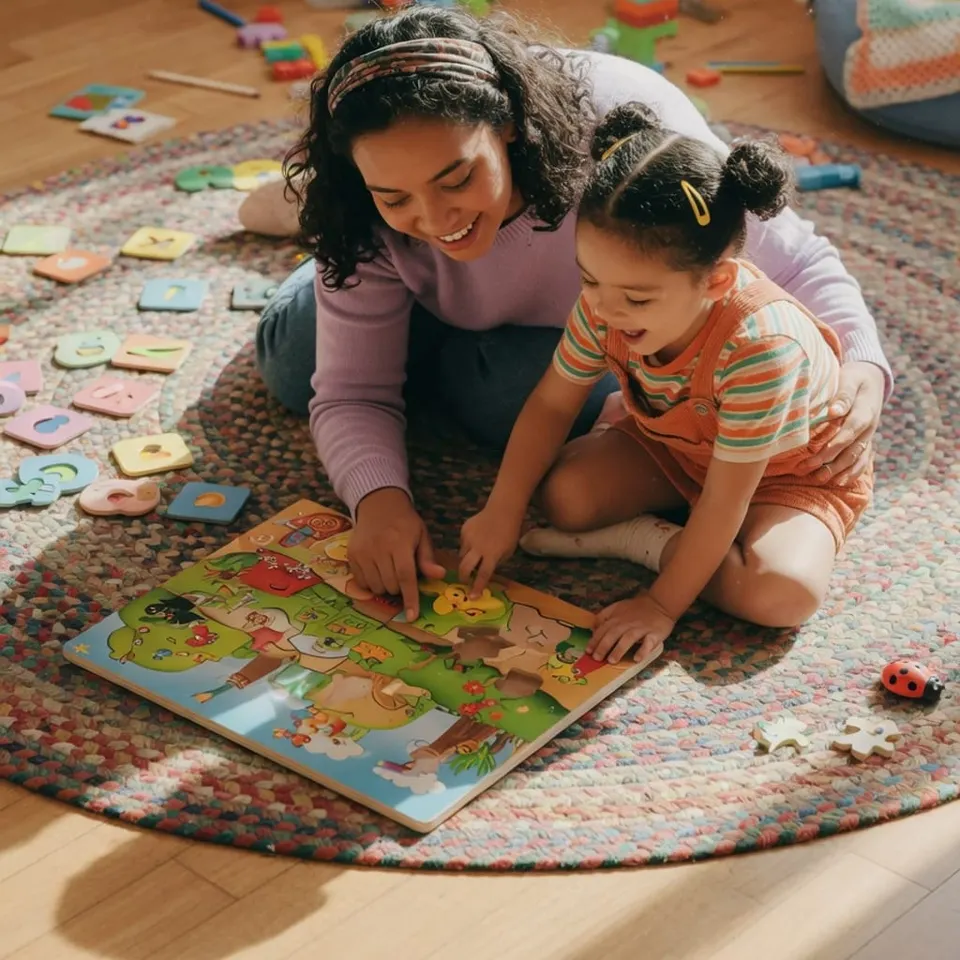
In-home ABA therapy takes place in your child's natural environment-your home and community. A Board Certified Behavior Analyst (BCBA) designs a treatment plan, and a Registered Behavior Technician (RBT) works directly with your child during scheduled sessions. This setting allows for real-life skill practice, such as toileting, mealtime routines, and sibling interactions.
Benefits of In-Home ABA
- Natural environment: Skills are taught where they will be used, which can improve generalization.
- Convenience: No travel time or transportation stress for you or your child.
- Family involvement: Parents and siblings can observe and participate, learning strategies to support the child.
- Flexible scheduling: Sessions can often be arranged around your family's routine.
Challenges of In-Home ABA
- Distractions: Home environments can have unpredictable interruptions (e.g., phone calls, visitors).
- Limited peer interaction: Unless siblings are present, your child may have fewer opportunities to practice social skills with peers.
- Space constraints: Some homes may not have a dedicated area for therapy materials.
Looking for ABA therapy for your child? We match families with vetted, BCBA-led providers near you.
Get matched freeWhat Is Center-Based ABA Therapy?
Center-based ABA therapy occurs in a dedicated facility designed for therapy. These centers often have multiple therapy rooms, sensory gyms, and structured group activities. A BCBA oversees the program, and RBTs work with children individually and in small groups.
Benefits of Center-Based ABA
- Structured environment: Centers are designed to minimize distractions and maximize learning.
- Peer interaction: Children have regular opportunities to practice social skills with peers in a supervised setting.
- Specialized resources: Access to sensory equipment, visual supports, and a variety of teaching materials.
- Consistency: The same setting and routine can help some children feel secure and focused.
Challenges of Center-Based ABA
- Travel time: You must drive your child to and from the center, which can be time-consuming.
- Less family involvement: Parents may not observe sessions as easily, though many centers offer parent training.
- Less naturalistic: Skills learned at the center may not automatically transfer to home or community settings.
🔗 Related reading: NC Medicaid ABA Therapy Provider List - Your Guide · Nearby ABA Therapy
How to Decide: Key Factors to Consider
Your Child's Age and Developmental Level
Younger children (under 3) often benefit from in-home therapy because it aligns with early intervention principles of working in natural environments. Older children may thrive in a center where they can build peer relationships and prepare for school-like settings.
Sensory and Behavioral Needs
If your child is easily overwhelmed by new environments or has significant sensory sensitivities, starting with in-home therapy may be less stressful. Conversely, a child who needs more structure and fewer distractions might do better in a center.
Family Schedule and Logistics
Consider your work schedule, other children's activities, and transportation options. In-home therapy eliminates travel but requires you to be present during sessions. Center-based therapy may offer full-day or half-day programs that align with school hours.
Insurance and Costs
ABA therapy is typically covered by private insurance and Medicaid under the Early and Periodic Screening, Diagnostic and Treatment (EPSDT) benefit. However, coverage for in-home versus center-based services can vary. Some plans may require prior authorization or have session limits. It is important to verify with your insurance provider. Get ABA Therapy can help you find providers that accept your insurance, including Medicaid.
What to Expect During the Decision Process
When you contact a provider, a BCBA will conduct an initial assessment to understand your child's strengths and challenges. They will discuss your family's goals and recommend a setting based on clinical judgment. Many providers offer both options, and some even offer a hybrid model where therapy starts in-home and transitions to center-based as the child progresses.
Common Mistakes to Avoid
- Choosing based solely on convenience: While convenience matters, the setting should primarily support your child's learning.
- Ignoring your child's preferences: If your child is distressed by a particular setting, it may not be effective.
- Not asking about parent training: Regardless of setting, parent involvement is crucial for generalization.
- Assuming one setting is always better: The best choice can change over time as your child grows.
How Get ABA Therapy Can Help
Get ABA Therapy is a free matching service that connects families with vetted, BCBA-led ABA providers. We understand that every child is unique, and we can help you find providers who offer in-home, center-based, or hybrid options. Simply share your location and insurance details, and we will match you with providers that meet your needs. There is no cost to you, and we are here to support your family every step of the way.
Final Thoughts
There is no one-size-fits-all answer to the in-home versus center-based question. The right choice depends on your child's individual needs, your family's circumstances, and the resources available in your area. By understanding the pros and cons of each setting, you can make an informed decision that sets your child up for success. Remember, you are not alone-reach out to professionals and use free services like Get ABA Therapy to find the support you need.