Not Pointing at 18 Months: Understanding This Autism Red Flag

In short: Not pointing by 18 months is considered a potential early sign of autism, as pointing is a key social-communication milestone. However, it's not a definitive diagnosis-some children point later or may have other developmental differences. If you're concerned, talk to your pediatrician and consider a free referral through Get ABA Therapy to connect with a BCBA-led provider who can evaluate your child and guide next steps.
Key takeaways
- Not pointing by 18 months is a common early red flag for autism, but it's not a guarantee of a diagnosis.
- Pointing is a social-communication milestone that typically emerges between 12 and 18 months.
- Other signs to watch for include lack of eye contact, limited babbling, and not responding to name.
- Early intervention, including ABA therapy, can significantly improve outcomes for autistic children.
Find your child's ABA provider
About 60 seconds · free & confidential
- ✓ Vetted, BCBA-led providers
- ✓ In-home, center & telehealth
- ✓ No obligation, ever
What Does 'Not Pointing at 18 Months' Mean?
When your child doesn't point by 18 months, it can be a source of worry for many parents. Pointing is a key social-communication milestone that typically emerges between 12 and 18 months. A child who does not point by this age may be showing an early red flag for autism spectrum disorder (ASD), but it's important to remember that every child develops at their own pace. Not pointing alone does not mean your child has autism-it's one of several signs that may warrant a closer look.
Why Pointing Matters
Pointing is more than just a gesture-it's a form of communication. When a child points, they are often trying to share interest or request something. This is known as joint attention, a skill that involves sharing focus with another person on an object or event. Joint attention is a foundational skill for language development and social interaction. Children who do not develop pointing by 18 months may be showing a delay in this area, which is why it's considered a red flag for autism.
Other Red Flags to Watch For
If your child is not pointing, it's helpful to look for other signs of autism. Common early signs include:
- Limited or no eye contact
- Not responding to their name by 12 months
- Limited babbling or speech by 12 months
- Not using gestures like waving or showing objects
- Unusual play patterns, such as lining up toys or spinning objects
- Repetitive movements like hand-flapping or rocking
- Unusual reactions to sensory input (e.g., sensitivity to sounds or textures)
If you notice several of these signs along with not pointing, it's a good idea to discuss your concerns with your pediatrician.

🔗 Related reading: ABA Therapy Alternatives to Large Corporations · Local ABA Therapy
What to Do If Your Child Is Not Pointing at 18 Months
If you're concerned that your child is not pointing by 18 months, the first step is to talk to your pediatrician. They can perform a developmental screening and refer you to a specialist if needed. Early intervention is key-the earlier a child receives support, the better their outcomes can be.
Talk to Your Pediatrician
Your pediatrician can use tools like the M-CHAT (Modified Checklist for Autism in Toddlers) to screen for autism. This questionnaire asks about behaviors like pointing, eye contact, and response to name. If the screening suggests a risk, your pediatrician may refer you to a developmental pediatrician, child psychologist, or an early intervention program.
Seek an Evaluation
An official autism diagnosis is made by a qualified professional, such as a developmental pediatrician or a child psychologist. The evaluation may include observation, parent interviews, and standardized tests. Getting a diagnosis can open the door to services like ABA therapy, speech therapy, and occupational therapy.
Early Intervention Services
If your child is under 3 years old, you may qualify for early intervention services through your state's program. For example, in many states, families can access free or low-cost evaluations and therapies. In California, the Early Start program provides services for children from birth to 3 years old. In Texas, Early Childhood Intervention (ECI) offers similar support. These programs can help address developmental delays, including communication and social skills.
Looking for ABA therapy for your child? We match families with vetted, BCBA-led providers near you.
Get matched freeWhat Is ABA Therapy and How Can It Help?
Applied Behavior Analysis (ABA) therapy is a scientifically proven approach to helping children with autism learn new skills and reduce challenging behaviors. ABA therapy is individualized, meaning it's tailored to your child's unique needs. A Board Certified Behavior Analyst (BCBA) designs and oversees the therapy plan.
How ABA Therapy Addresses Pointing and Communication
ABA therapy can help children develop pointing and other communication skills through structured teaching. For example, a BCBA might use discrete trial training to teach a child to point to a desired object. Over time, the child learns to use pointing to request or share interest. ABA also works on joint attention, eye contact, and other social skills that are foundational for communication.
Other Benefits of ABA Therapy
ABA therapy can help with a wide range of skills, including:
- Language and communication
- Social skills
- Play skills
- Self-care routines (e.g., dressing, toileting)
- Reducing challenging behaviors like tantrums or aggression
Early ABA therapy can make a significant difference in a child's development, helping them build the skills they need to thrive.
🔗 Related reading: Moving States With ABA Therapy? Transfer Tips & Guide · Nearby ABA Therapy
Cost and Insurance Coverage for ABA Therapy
One of the biggest concerns for families is the cost of ABA therapy. The good news is that ABA therapy is often covered by insurance, including Medicaid. Many states have laws requiring insurance companies to cover autism treatments, including ABA. However, coverage can vary, so it's important to check with your insurance provider.
Medicaid Coverage
Medicaid typically covers ABA therapy for children with an autism diagnosis. Each state's Medicaid program may have different requirements, so it's best to confirm with your state's Medicaid office. For example, in New York, Medicaid covers ABA therapy through the Early Intervention Program and other plans.
Private Insurance
Most private insurance plans cover ABA therapy, but you may need a referral or prior authorization. Some plans have limits on the number of hours or the age of the child. It's a good idea to call your insurance company and ask about your specific benefits.
How Get ABA Therapy Can Help
Get ABA Therapy is a free service that helps families find vetted, BCBA-led ABA therapy providers in their area. We work with providers who accept a wide range of insurance plans, including Medicaid. Simply fill out our online form, and we'll match you with providers who meet your needs. We take the stress out of searching for therapy so you can focus on your child.
Common Mistakes to Avoid When Your Child Isn't Pointing
When you're worried about your child's development, it's easy to fall into common traps. Here are some mistakes to avoid:
- Waiting too long: Some parents hope their child will catch up on their own. While some delays resolve, early intervention is always better. Don't wait-talk to your pediatrician.
- Comparing to other children: Every child develops at their own pace, but if your child is missing milestones, it's worth checking.
- Ignoring other signs: Not pointing alone may not be a concern, but if you notice other red flags, take them seriously.
- Not seeking help due to cost: Many resources are available, including free evaluations through early intervention and insurance coverage for therapy. Get ABA Therapy can help you find affordable options.

Practical Tips for Supporting Your Child at Home
While you wait for an evaluation or therapy to start, there are things you can do at home to encourage pointing and communication:
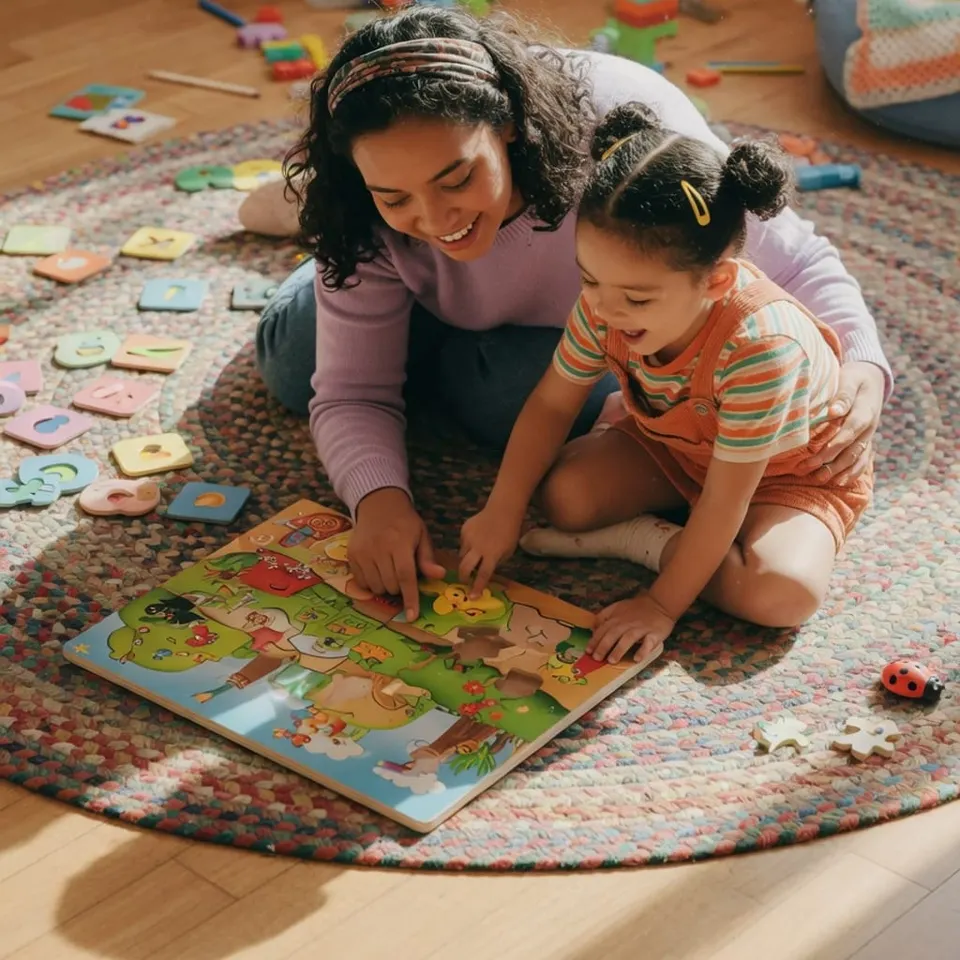
- Model pointing: Point to interesting objects and say their names. For example, point to a bird and say, 'Look, a bird!'
- Use gestures: Wave, clap, and use other gestures to encourage imitation.
- Read together: Point to pictures in books and name them. Encourage your child to point to pictures too.
- Play interactive games: Games like peek-a-boo or pat-a-cake encourage social interaction and joint attention.
- Follow their lead: If your child shows interest in something, join in and name it. This builds communication skills.
Remember, these activities are not a substitute for professional evaluation or therapy, but they can support your child's development.
When to Get Help and How Get ABA Therapy Can Assist
If you're concerned about your child's development, don't hesitate to reach out. Early intervention can make a world of difference. Get ABA Therapy is here to help you find the right support. Our free service connects you with vetted, BCBA-led ABA therapy providers in your area. We work with providers who accept insurance, including Medicaid, so you can get the care your child needs without the financial stress.
To get started, simply visit our website and fill out our matching form. We'll take it from there, connecting you with providers who can evaluate your child and design a therapy plan. You don't have to navigate this journey alone-Get ABA Therapy is here to support you every step of the way.