A Parent's Role in ABA Therapy at Home: What to Expect and How to Help
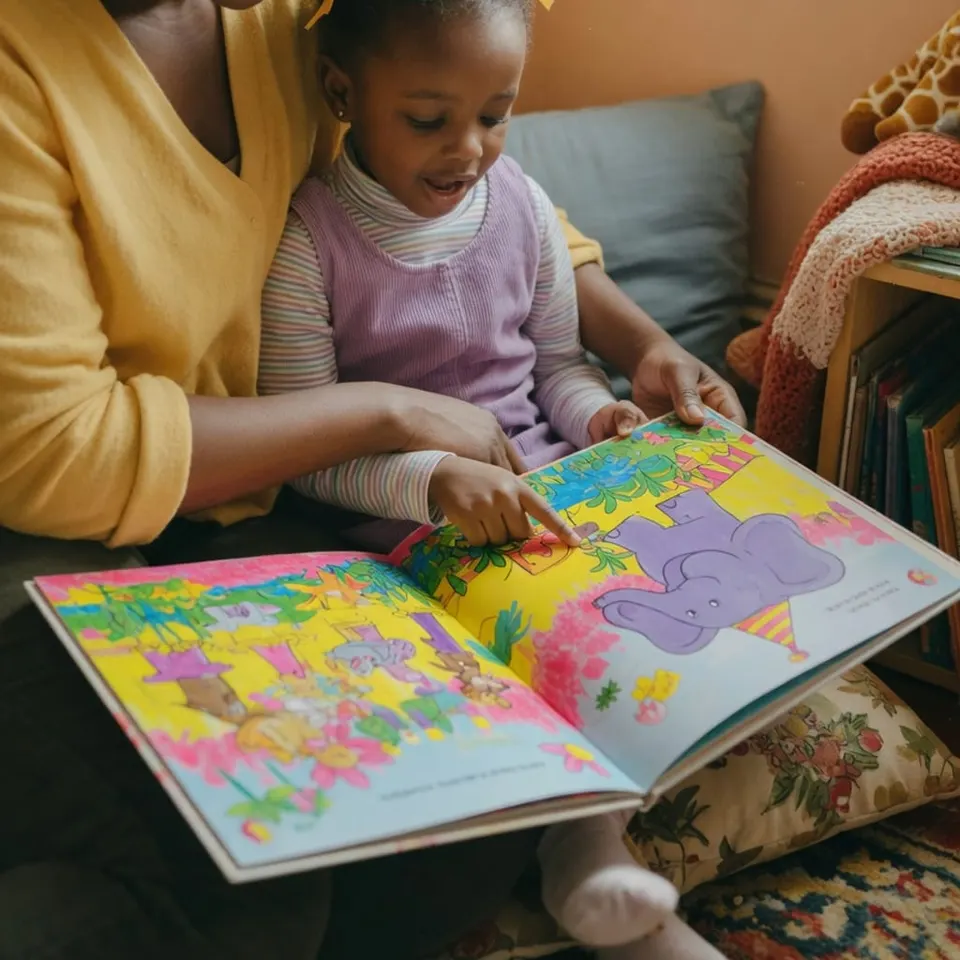
In short: In ABA therapy, parents are essential partners. Your role at home involves learning and applying strategies from your child's BCBA, such as prompting, reinforcing positive behaviors, and collecting data. This collaboration helps your child generalize skills and maintain progress between sessions. The service Get ABA Therapy can connect you with a vetted BCBA-led provider at no cost.
Key takeaways
- Parents are key to generalizing ABA skills from clinic to home and community.
- Consistent use of BCBA-taught strategies (like reinforcement and prompting) boosts progress.
- Data collection at home helps the BCBA tailor the therapy plan effectively.
- Avoid common pitfalls like inconsistent rules or expecting overnight changes.
Why Your Role as a Parent Matters in ABA Therapy
Applied Behavior Analysis (ABA) therapy is most effective when it extends beyond the clinic or classroom. As a parent, you are your child's first and most consistent teacher. Your involvement at home helps your child practice new skills in a natural, familiar environment, which is crucial for generalization-the ability to use a skill across different settings and people. When you actively participate, you reinforce the strategies your child's Board Certified Behavior Analyst (BCBA) uses, making progress faster and more lasting.
The Research Behind Parent Involvement
Studies consistently show that parent-mediated ABA interventions lead to better outcomes for children with autism. When parents are trained to implement behavior support plans, children show improvements in communication, social skills, and adaptive behaviors. This collaborative approach also reduces parent stress, as you gain confidence and tools to handle daily challenges.

🔗 Related reading: First Call for Autism Services in Texas Schools · Local ABA Therapy
What Your Role Looks Like Day-to-Day
Your daily involvement will vary depending on your child's age, goals, and therapy setting. Typically, you will work closely with your child's BCBA and registered behavior technicians (RBTs) to create a consistent routine.
Learning and Using ABA Strategies
Your BCBA will teach you specific techniques such as prompting (giving hints to help your child succeed), reinforcement (rewarding desired behaviors), and shaping (rewarding small steps toward a goal). You'll practice these during daily activities like mealtime, bath time, or play. For example, you might use a visual schedule to help your child transition from play to homework, then offer praise or a small reward for following it.
Collecting Data at Home
Your BCBA may ask you to track certain behaviors or skills at home. This could be as simple as noting how many times your child uses a new word or how long they stay calm during a transition. This data is invaluable-it helps the BCBA adjust the therapy plan to meet your child's needs. You don't need to be a scientist; your BCBA will provide simple forms or apps to make it easy.
Creating a Supportive Environment
Set up your home to encourage learning. This might mean reducing distractions during therapy times, having preferred reinforcers (toys, snacks) readily available, or establishing a consistent daily routine. A calm, predictable environment helps your child feel safe and ready to learn.
How to Partner Effectively with Your BCBA
Your BCBA is your guide. To make the partnership work, communication is key.
Ask Questions and Share Observations
Don't hesitate to ask why a certain strategy is used or how to handle a specific situation. Share what you see at home-both successes and challenges. Your insights help the BCBA understand your child's real-world behavior.
Attend Parent Training Sessions
Most ABA providers offer regular parent training, often included in the therapy plan. These sessions are your opportunity to learn new techniques, practice with feedback, and discuss your child's progress. Make them a priority.
Be Consistent but Flexible
Consistency across home and clinic is vital. Use the same language, prompts, and rewards your BCBA recommends. However, be flexible-what works in a structured session might need tweaking at home. Your BCBA can help you adapt strategies to your family's routine.

🔗 Related reading: ABA Therapy Prior Authorization: Why It Takes Months & What to Do · Local ABA Therapy
Common Mistakes Parents Make (and How to Avoid Them)
- Inconsistent expectations: If one parent allows a behavior the other doesn't, your child may become confused. Agree on rules and consequences together.
- Expecting immediate results: ABA is a gradual process. Celebrate small steps and avoid comparing your child's progress to others.
- Neglecting self-care: Parent burnout is real. Taking breaks and seeking support helps you stay patient and effective.
- Overcorrecting or using too many demands: Balance learning opportunities with fun, child-led activities to keep motivation high.
- Not using reinforcement correctly: Reinforcement must be immediate, specific, and meaningful to your child. Ask your BCBA for tips if you're unsure.
Costs and Insurance: Making ABA Affordable at Home
ABA therapy is typically covered by private insurance and Medicaid under the autism benefit. Many plans cover parent training and consultation hours as part of the treatment plan. If you're unsure about your coverage, the service Get ABA Therapy can help you find a vetted BCBA-led provider that accepts your insurance, including Medicaid. There is no cost to you for this matching service.
When your provider is in-network, you may only pay a copay or coinsurance. Out-of-network providers may require upfront payment and reimbursement. Always verify benefits with your insurance company and ask the provider about their billing practices.

Practical Tips for Success at Home
Here are actionable strategies to make your role more effective:
- Use visual supports: Picture schedules, choice boards, and timers can reduce anxiety and improve understanding.
- Embed learning into daily routines: Practice requesting during snack time, or turn-taking during board games.
- Celebrate your child's efforts: Focus on trying, not just success. This builds resilience and a positive attitude.
- Keep a log of what works: Note which reinforcers are most motivating and which prompts help your child succeed.
- Involve siblings: Teach siblings simple ways to interact and reinforce positive behaviors, fostering a supportive family dynamic.
When to Seek Additional Support
If you feel overwhelmed or unsure, reach out to your BCBA. They can adjust the plan, provide more training, or recommend additional resources like parent support groups. Remember, you are not alone. The goal of ABA is to empower both you and your child. By staying engaged and proactive, you create a foundation for lifelong learning and connection.
If you're not yet connected with a provider, Get ABA Therapy can match you with a vetted BCBA-led clinic in your area that fits your family's needs and insurance. This free service helps you start your journey with confidence.