Signs Your Child May Benefit from ABA Therapy
In short: ABA therapy can help children with autism develop communication, social, and daily living skills. Signs your child may benefit include difficulty with communication, repetitive behaviors, trouble with social interactions, and challenges with self-care tasks. A free service like Get ABA Therapy can match you with a qualified BCBA-led provider.
Key takeaways
- ABA therapy is an evidence-based intervention for children with autism, focusing on skill-building and reducing challenging behaviors.
- Early signs include delayed speech, limited eye contact, repetitive movements, and difficulty with transitions.
- ABA is tailored to each child and can be provided at home, school, or in a clinic.
- Many insurance plans, including Medicaid, cover ABA therapy services.
What Is ABA Therapy and How Can It Help?
Applied Behavior Analysis (ABA) therapy is a scientifically validated approach that helps children with autism learn new skills and reduce behaviors that may interfere with daily life. It focuses on understanding how behavior works, then using that knowledge to encourage positive behaviors and teach important life skills. ABA is not a one-size-fits-all treatment; every plan is individualized by a Board Certified Behavior Analyst (BCBA) to meet your child's unique needs.
If you suspect your child might benefit from ABA, you are not alone. Many families first notice certain signs during toddler or preschool years. Recognizing these signs early can open the door to early intervention, which research shows leads to better outcomes. Get ABA Therapy is a free service that can help you find a vetted, BCBA-led provider in your area, regardless of your insurance type.

🔗 Related reading: ABA Therapy Centennial CO: A Parent's Guide · Local ABA Therapy
Early Warning Signs That ABA Might Be a Good Fit
Every child develops at their own pace, but there are common patterns that may indicate a need for additional support. Below are some of the most frequent signs that parents and caregivers observe.
Communication Delays
One of the earliest signs is a delay in spoken language. Your child may not babble by 12 months, say single words by 16 months, or use two-word phrases by 24 months. Other communication red flags include:
- Loss of previously acquired language skills
- Not responding to their name by 12 months
- Difficulty following simple directions
- Using only gestures instead of words to communicate
ABA therapy can help by breaking down communication into small, teachable steps, using techniques like modeling, prompting, and reinforcement to build language skills.
Social Interaction Challenges
Children with autism often struggle with social engagement. You might notice your child shows little interest in playing with peers, avoids eye contact, or does not share interests or emotions. Specific signs include:
- Lack of joint attention (pointing to show you something)
- Not imitating others' actions or sounds
- Preferring solitary play well into toddler years
- Difficulty understanding social cues or taking turns
ABA therapy uses structured social skills training to help children learn how to initiate interactions, share, and read nonverbal cues.
Repetitive Behaviors and Restricted Interests
Many children with autism engage in repetitive movements (like hand-flapping, rocking, or spinning) or have intense, narrow interests. They may insist on sameness in routines or become distressed by minor changes. Other examples are:
- Lining up toys obsessively instead of playing with them functionally
- Repeating certain words or phrases (echolalia)
- Strong attachment to unusual objects
- Fascination with spinning wheels, lights, or patterns
ABA can help by teaching flexibility, expanding interests, and reducing repetitive behaviors that interfere with learning.
Difficulty with Daily Living Skills
Self-care skills like dressing, feeding, toileting, and sleeping can be challenging. If your child resists potty training, has extreme picky eating, or struggles with brushing teeth, ABA can break these tasks into manageable steps through task analysis and positive reinforcement.
Frequent Meltdowns or Aggression
Some children with autism have difficulty regulating emotions. This can show up as intense tantrums, hitting, biting, or self-injurious behavior. Often these behaviors are a form of communication when your child cannot express their needs. ABA therapists work to identify the underlying cause and teach alternative, appropriate ways to communicate and cope.
Why Early Intervention Matters
Research shows that starting ABA therapy before age five can significantly improve cognitive, language, and adaptive skills. The brain is most flexible during early childhood, making it an ideal time to build foundational abilities. Early intervention also helps prevent challenging behaviors from becoming entrenched, reduces family stress, and sets the stage for greater independence later in life. If you notice any of the signs above, seeking an evaluation from a developmental pediatrician or a BCBA is a proactive step.
🔗 Related reading: Florida Regional Centers & Family Support Programs Guide · Apply for ABA
How ABA Therapy Works
Assessment and Individualized Plan
When you connect with a provider through Get ABA Therapy, the first step is a comprehensive assessment by a BCBA. This includes direct observation, caregiver interviews, and standardized tools to identify your child's strengths and areas for growth. Based on the results, a personalized treatment plan is created with measurable goals.
Techniques and Approaches
ABA therapists use a variety of evidence-based techniques, such as Discrete Trial Training (DTT), Natural Environment Teaching (NET), and Pivotal Response Treatment (PRT). The common thread is positive reinforcement: rewarding desired behaviors to increase their frequency. Sessions can be one-on-one and delivered at home, school, community, or a clinic. The intensity and location are tailored to your child's needs and family schedule.
ABA Therapy Costs and Insurance Coverage
The cost of ABA therapy varies depending on hours, location, and provider. Many families are surprised to learn that ABA is covered by most commercial insurance plans and Medicaid in every state thanks to autism insurance mandates. Your specific deductibles and copays will depend on your plan. Get ABA Therapy helps you navigate this process for free, connecting you with providers who accept your insurance so you can focus on your child's growth without financial guesswork.
How to Get Started with ABA Therapy
If you recognize one or more of the signs discussed in this article, the next step is to talk with your pediatrician or an early intervention program. You can also reach out to a free matching service like Get ABA Therapy. We will ask about your child's needs, your location, and your insurance, then match you with vetted BCBA-led providers in your area. There is no cost to you, and no obligation. Our goal is to make the process as smooth as possible so you can start seeing progress sooner.
Common Misconceptions About ABA Therapy
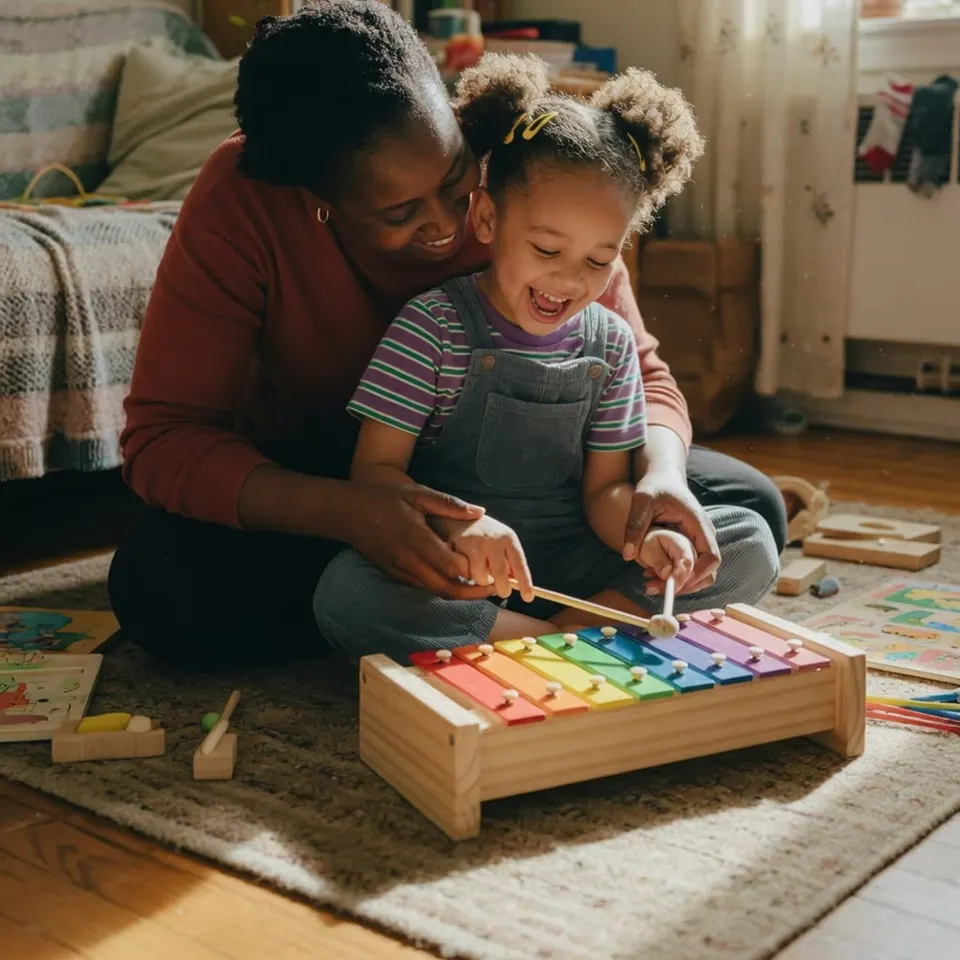
Some parents worry that ABA is rigid or robotic. In reality, modern ABA is play-based, child-led, and focused on building motivation and joy in learning. Another misconception is that ABA only works for severe autism. In fact, ABA can benefit children across the spectrum, from those needing support with basic self-help to those who need help with advanced social skills. Always seek a provider who practices compassionate, ethical ABA centered on the child's well-being.
Conclusion
Recognizing the signs that your child may benefit from ABA therapy is the first step toward unlocking their potential. Whether the challenges involve communication, social skills, repetitive behaviors, or self-care, ABA offers a structured, compassionate path forward. To find a qualified BCBA-led provider near you, use Get ABA Therapy's free matching service. You don't have to navigate this journey alone.