Understanding Autism and Eye Contact: What It Means When Your Child Avoids Looking at You
In short: Avoiding eye contact is a common trait in autism, often rooted in sensory overload or differences in processing faces. It is not a sign of disrespect or lack of love. With understanding, patience, and strategies from ABA therapy, many children can learn to tolerate or use eye contact in ways that feel comfortable for them.
Key takeaways
- Eye contact avoidance is a neurological difference, not a behavior problem or defiance.
- For many autistic children, direct eye contact can be overwhelming or even painful due to sensory sensitivities.
- ABA therapy can gently teach alternate ways to show attention and connection without forcing eye contact.
- Forcing eye contact can cause distress; it is better to respect your child's comfort level.
Find your child's ABA provider
About 60 seconds · free & confidential
- ✓ Vetted, BCBA-led providers
- ✓ In-home, center & telehealth
- ✓ No obligation, ever
Why Does My Autistic Child Avoid Eye Contact?
Many parents notice early on that their child with autism does not make eye contact the way other children do. This can be confusing or even hurtful, especially when it happens with mom or dad. But avoiding eye contact is not about rejection-it is often a sensory or neurological difference. Autistic individuals may find direct eye contact overwhelming, distracting, or even painful. Some describe it as feeling like a bright light or a loud noise directed at their eyes. Others have difficulty processing facial expressions and eye gaze simultaneously, so looking away helps them focus on what you are saying.

🔗 Related reading: Utah Regional Centers & Family Support: A Guide · Local ABA Therapy
The Science Behind Eye Contact in Autism
Sensory Overload and the Eyes
For many autistic people, the brain receives more sensory input than it can comfortably handle. Eye contact adds another layer of stimulation. The part of the brain that processes faces (the fusiform gyrus) may process eye gaze differently in autism. Research suggests that autistic children often look at the mouth or elsewhere on the face, not because they are avoiding connection, but because that feels more comfortable or helps them understand speech better.
Communication Challenges
Autism affects social communication. Making eye contact while listening and talking requires multitasking that can be difficult. Your child may need to look away to process what you are saying. It is similar to how some adults look up or away when deep in thought.
Looking for ABA therapy for your child? We match families with vetted, BCBA-led providers near you.
Get matched freeIs It Always Autism? Other Reasons Children Avoid Eye Contact
Not every child who avoids eye contact is autistic. Shyness, anxiety, social difficulties, or cultural norms can also play a role. But when eye contact avoidance is paired with other signs-delayed speech, repetitive behaviors, difficulty with social cues-it may be worth an autism evaluation. Get ABA Therapy can connect you with professionals who can help you understand your child's unique profile.
🔗 Related reading: ABA Therapy for Aggression in 13-Year-Olds: A Guide · Local ABA Therapy
What NOT to Do: Common Mistakes Parents Make
- Forcing eye contact: Physically turning your child's head or repeatedly saying "Look at me" can create anxiety and mistrust.
- Taking it personally: Your child is not ignoring you-they are managing their sensory world.
- Punishing the behavior: Eye contact avoidance is not a behavior to extinguish; it is a comfort preference.
- Assuming it will never improve: Many autistic children learn to make brief eye contact when it matters most, with gentle support.
Practical Strategies to Support Your Child
Build Connection Without Eye Contact
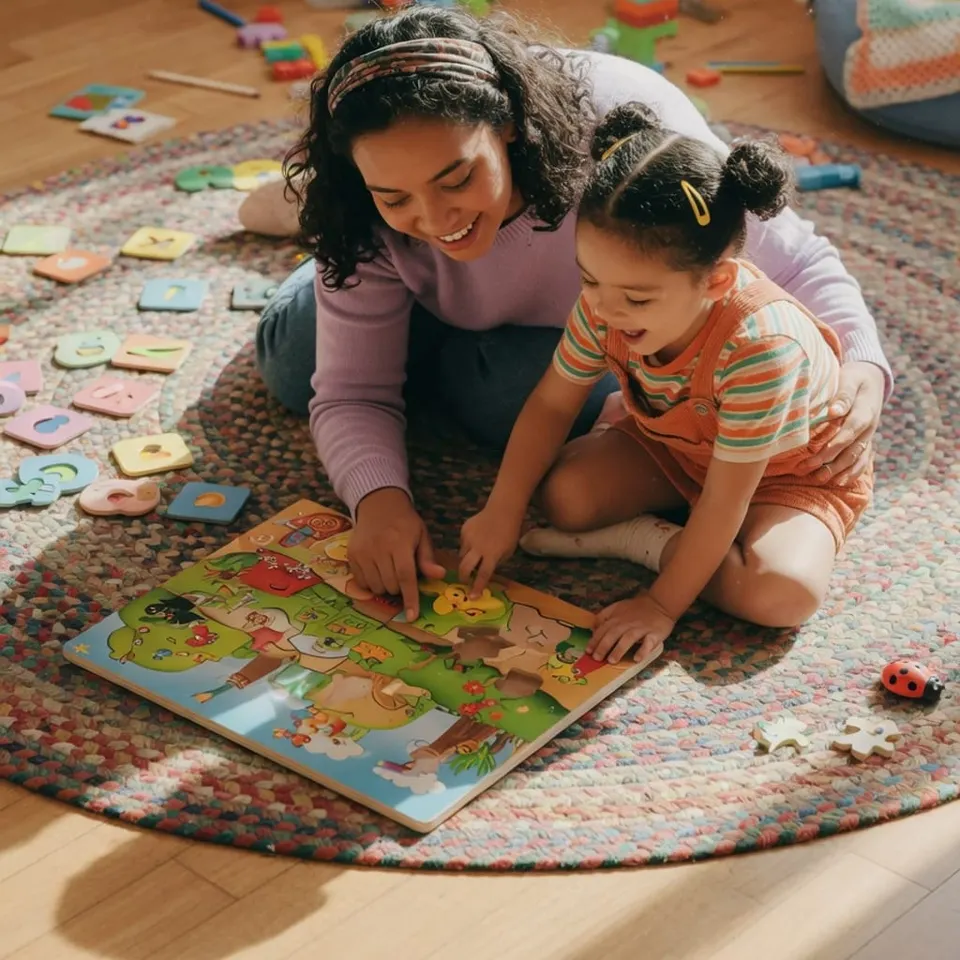
Focus on other ways your child shows engagement: they may lean in, touch your hand, echo your words, or simply stay nearby. Celebrate those moments. You can also communicate eye contact indirectly: sit beside your child rather than face-to-face, reduce pressure by looking at the same object together, or use visual supports like pictures or sign language.
ABA Therapy: Gentle, Child-Led Approaches
Applied Behavior Analysis (ABA) therapy, led by a Board Certified Behavior Analyst (BCBA), can help your child develop social communication skills in a comfortable, gradual way. A good ABA program will never force eye contact. Instead, a therapist might pair a preferred activity with a brief glance, building positive associations. The goal is not to make your child act "neurotypical" but to give them tools to navigate a world that expects eye contact, while respecting their sensory needs.
Get ABA Therapy is a free service that matches families with vetted, BCBA-led providers who understand neurodiversity and use evidence-based, respectful approaches. Many providers accept insurance, including Medicaid, and can offer in-home or clinic-based sessions.
Alternative Communication Methods
Some children benefit from learning that looking at their parent's mouth or forehead can also show attention. Others use augmentative and alternative communication (AAC) devices or sign language. Eye contact is just one way to connect-there are many.

When to Seek Professional Help
If you are concerned about your child's development, early intervention is key. In [Your State/County], you can request a free evaluation through your local early intervention program (for children under 3) or through the school district (ages 3 and up). Private evaluations may also be covered by insurance. A diagnosis of autism does not mean something is wrong-it means you now have a roadmap to support your child.
Get ABA Therapy can help you find a provider who specializes in early intervention and social communication. Their service is free, and they work with families nationwide to connect them with local, vetted BCBAs who accept insurance including Medicaid.
What Does the Research Say?
Studies show that autistic individuals can learn to make eye contact in short bursts when it is meaningful-but prolonged eye contact remains uncomfortable for many. A 2017 study from the journal Autism Research found that autistic children showed less eye contact even when asked to look, suggesting it is not a matter of compliance. Forcing eye contact can increase cortisol (stress hormone) levels. The more accepted an autistic child feels for who they are, the more they are able to engage.
Final Thoughts: Connection Beyond the Eyes
Your child loves you. Their avoidance of eye contact has nothing to do with the strength of your relationship. By understanding the sensory world of autism, you can meet your child where they are. ABA therapy, when done right, is a powerful tool to help your child thrive-not by changing who they are, but by expanding their skills in a way that respects their comfort. And remember, you are not alone. Get ABA Therapy can connect you with compassionate, knowledgeable professionals who will help your family grow together.