What to Expect in Your Child's First ABA Session

In short: Your child's first ABA session is typically a no-pressure, play-based assessment led by a Board Certified Behavior Analyst (BCBA). The BCBA will observe your child in natural activities, ask about your concerns, and begin collecting baseline data to build a personalized treatment plan. You will actively participate and receive guidance on how to support your child at home.
Key takeaways
- The first session is usually an assessment, not therapy-focus on play and observation.
- A BCBA leads the session; the parent is an active participant, not a bystander.
- Bring comfort items, your child's favorite toys, and any prior evaluations or IEP documents.
- The BCBA will explain how insurance (including Medicaid) covers ABA and may request a signature for consent.
Find your child's ABA provider
About 60 seconds · free & confidential
- ✓ Vetted, BCBA-led providers
- ✓ In-home, center & telehealth
- ✓ No obligation, ever
Understanding the Purpose of the First Session
The first ABA session is always an assessment, not a full therapy session. The Board Certified Behavior Analyst (BCBA) will spend the time getting to know your child, learning about your family's daily routines, and understanding what behaviors or skills you want to target. This is called the "intake" or "initial assessment" and it sets the foundation for every session after.
🔗 Related reading: Lack of Social Smile in Infants: An Early Autism Sign? · Local ABA Therapy
Who Will Be Present
The BCBA Leads the Session
The BCBA-a master's-level professional certified by the Behavior Analyst Certification Board-will conduct the assessment. In some states, a licensed psychologist or clinical supervisor may also be involved if it's a multidisciplinary clinic.
Parents Are Active Participants
You will be asked to stay for the entire session. The BCBA may ask you to interact with your child as you normally would, then step back to observe. Some BCBAs will also ask about your child's medical history, sleep patterns, eating, and triggers.
Looking for ABA therapy for your child? We match families with vetted, BCBA-led providers near you.
Get matched freeWhat the Session Will Look Like
Arrival and Getting Comfortable
When you arrive, the BCBA will greet you at the door. They will likely invite your child to explore the play area while you sit down for a brief conversation. Bring a favorite toy, snack, or comfort item-this helps your child feel at ease. The BCBA will explain that there is no pressure and your child can play freely.
Play-Based Observation
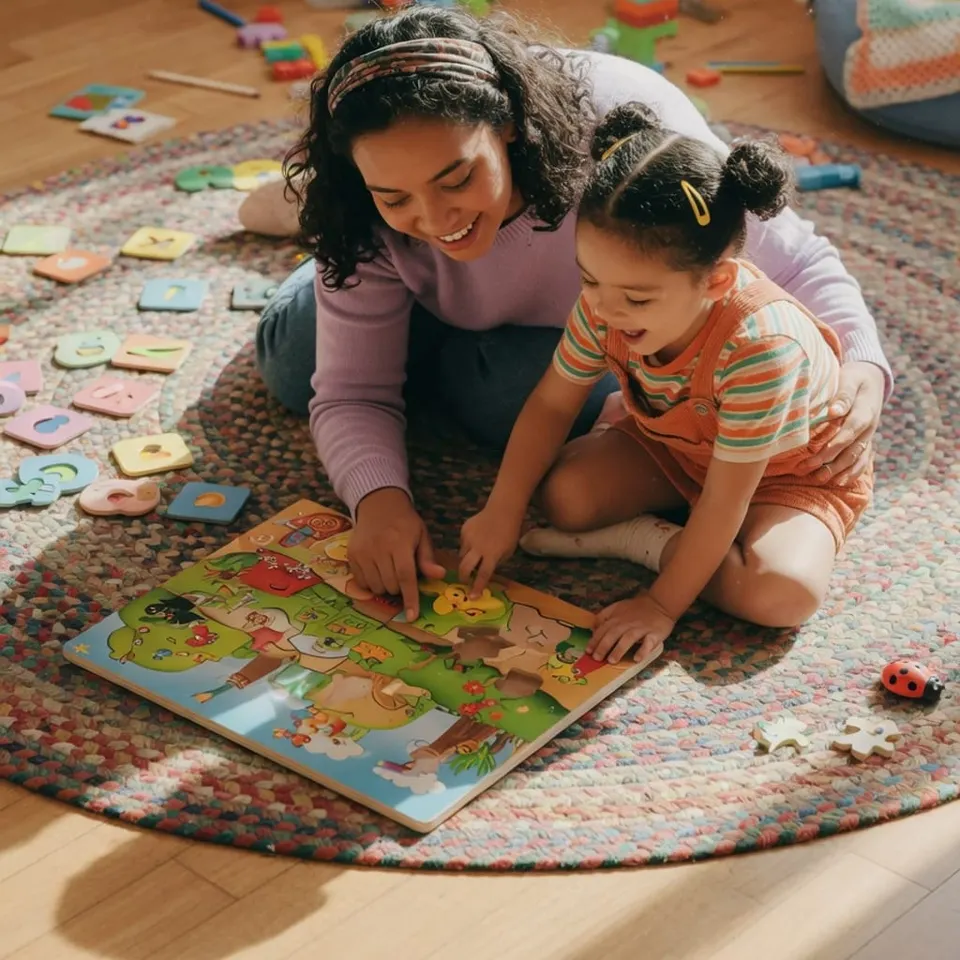
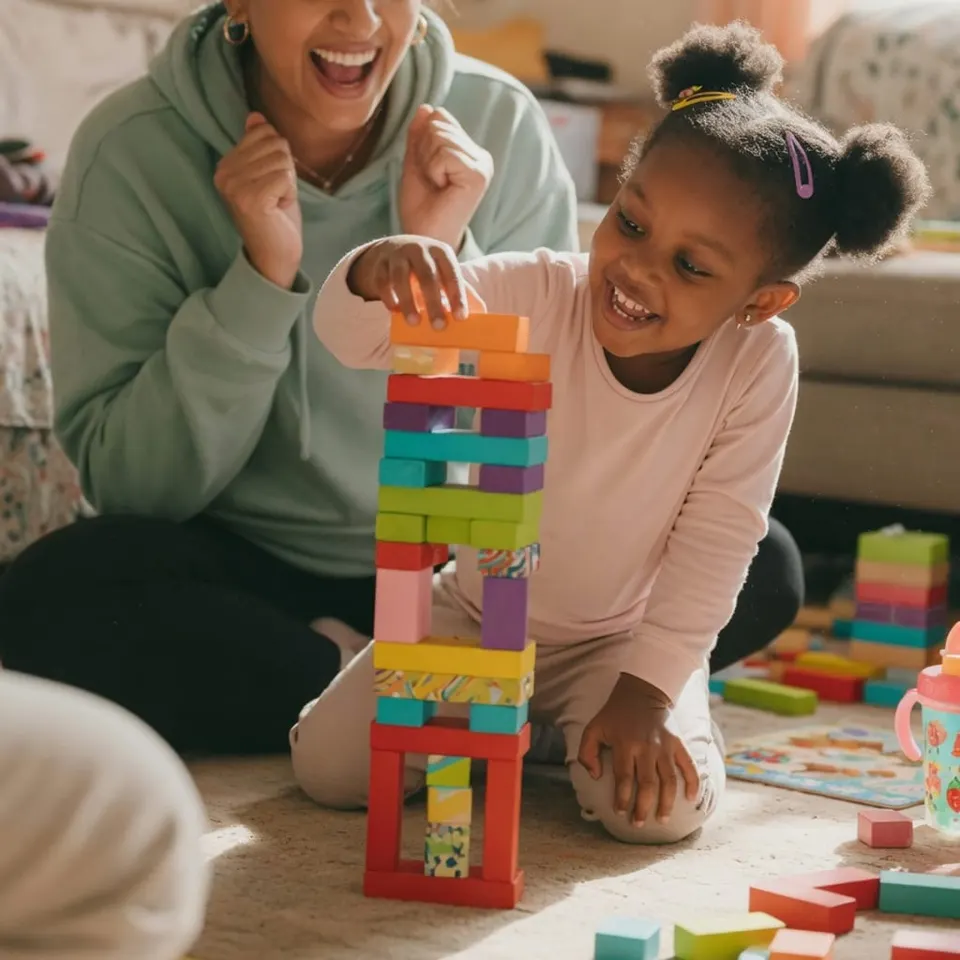
Most of the session will be play-based. The BCBA may present different toys to see what your child gravitates toward. They will note how your child communicates-eye contact, gestures, vocalizations, or AAC device use-and how they transition between activities. This is not a formal test; it's a naturalistic look at your child's skills.
Asking Questions and Taking Notes
The BCBA will ask standard questions about your child's development, such as: when did they start walking or talking? Have they had any previous therapy (OT, speech)? What are your biggest concerns or priorities? They will write down your answers, often on a tablet or clipboard.
🔗 Related reading: NC ABA Therapy: A Parent's Guide · Nearby ABA Therapy
What the BCBA Is Looking For
- Play skills: Does the child engage in functional play, parallel play, or solitary play?
- Communication: How does the child request items, protest, or express needs?
- Social initiations: Does the child approach others or respond to name?
- Behavior patterns: Are there any repetitive movements, vocalizations, or self-stimulatory behaviors?
- Reinforcers: What does the child like-toys, videos, tickles, praise? These will be used in future sessions to teach new skills.
The BCBA is not looking for deficits; they are finding strengths and preferences to build an effective program.
Parent Training and Collaboration
You Are the Expert on Your Child
ABA works best when parents are trained to follow through at home. The first session will include a parent training component where the BCBA says, "Let's practice a simple strategy." For example, if your child struggles with transitions, the BCBA might show you how to use a timer and a verbal countdown. You will try it, and the BCBA will give feedback.
Discussing Goals and Priorities
By the end of the session, you will have a clearer idea of what the next steps are. The BCBA will summarize their observations and ask, "Is there anything else you want to work on?" Your input is critical for creating a truly personalized treatment plan.

Paperwork, Consent, and Insurance Talks
Documentation You'll Need
You may need to sign a consent for treatment form, a release of information, and a financial agreement. The clinic will explain how billing works, but you don't need to bring money-ABA is typically covered by commercial insurance under behavioral health benefits and by state Medicaid programs. Most clinics will verify your benefits before the first session, but they may ask for a copy of your insurance card and a recent diagnosis letter from a physician or psychologist.
If You Don't Have a Provider Yet
If you are reading this before starting services, you can use a free matching service like Get ABA Therapy to connect with a vetted, BCBA-led provider in your area. They will help you navigate insurance and find a clinic that fits your child's needs and your schedule.
Common Mistakes to Avoid
- Expecting immediate progress: The first session is 100% about gathering information. Do not expect your child to master a new skill today.
- Sitting in the corner: Engage as the BCBA asks. You are not a passive observer; your participation speeds up the process.
- Not asking questions: If you don't understand something, say so. Good BCBAs love questions.
- Forgetting comfort items: An anxious child won't show their best self. Bring the lovey, the tablet, or the specific snack they'll need to settle.
After the First Session: What Happens Next
The BCBA will take your notes and observations and write a formal report called a "treatment plan" or "behavior intervention plan." This plan includes baseline data, long-term and short-term goals, and recommendations for the number of hours of therapy per week (usually 10-40 hours depending on need and insurance). You will have a follow-up meeting, often by phone or video, to review and approve the plan. Regular therapy sessions may begin within one to two weeks after the assessment.
How to Prepare Your Child (and Yourself)
- Talk positively: Tell your child, "We're going to play with a new friend today." Keep it light.
- Bring snacks and breaks: If your child has a meltdown, it's okay. The BCBA is trained to de-escalate.
- Write down your questions: Nothing is too small-from potty breaks to sibling involvement.
- Arrive a few minutes early: This gives your child time to acclimate to the environment.
The first ABA session can feel big, but it's designed to be gentle and collaborative. You are taking a brave step to support your child's growth, and you do not have to go it alone.